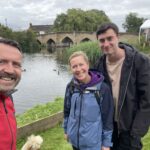



Total Distance: 11.3 miles
Time: 5 hours 56 minutes
Points of Interest:
Cotswold Christmas shop
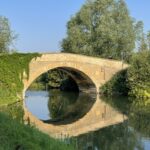
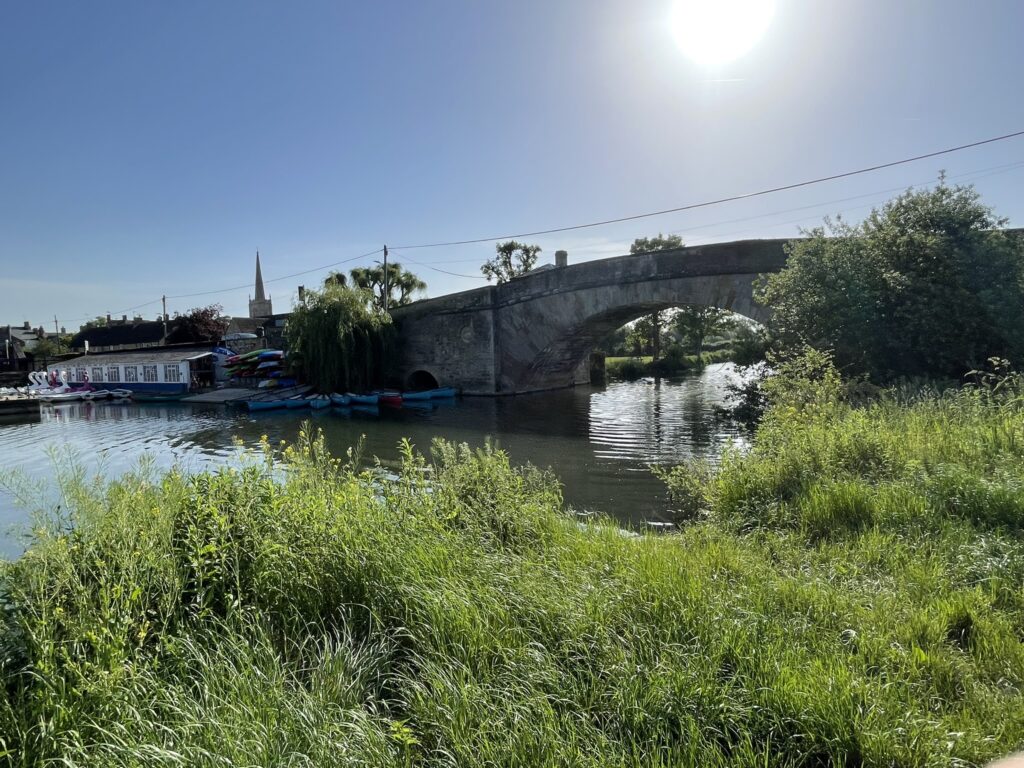
Ha’penny Bridge
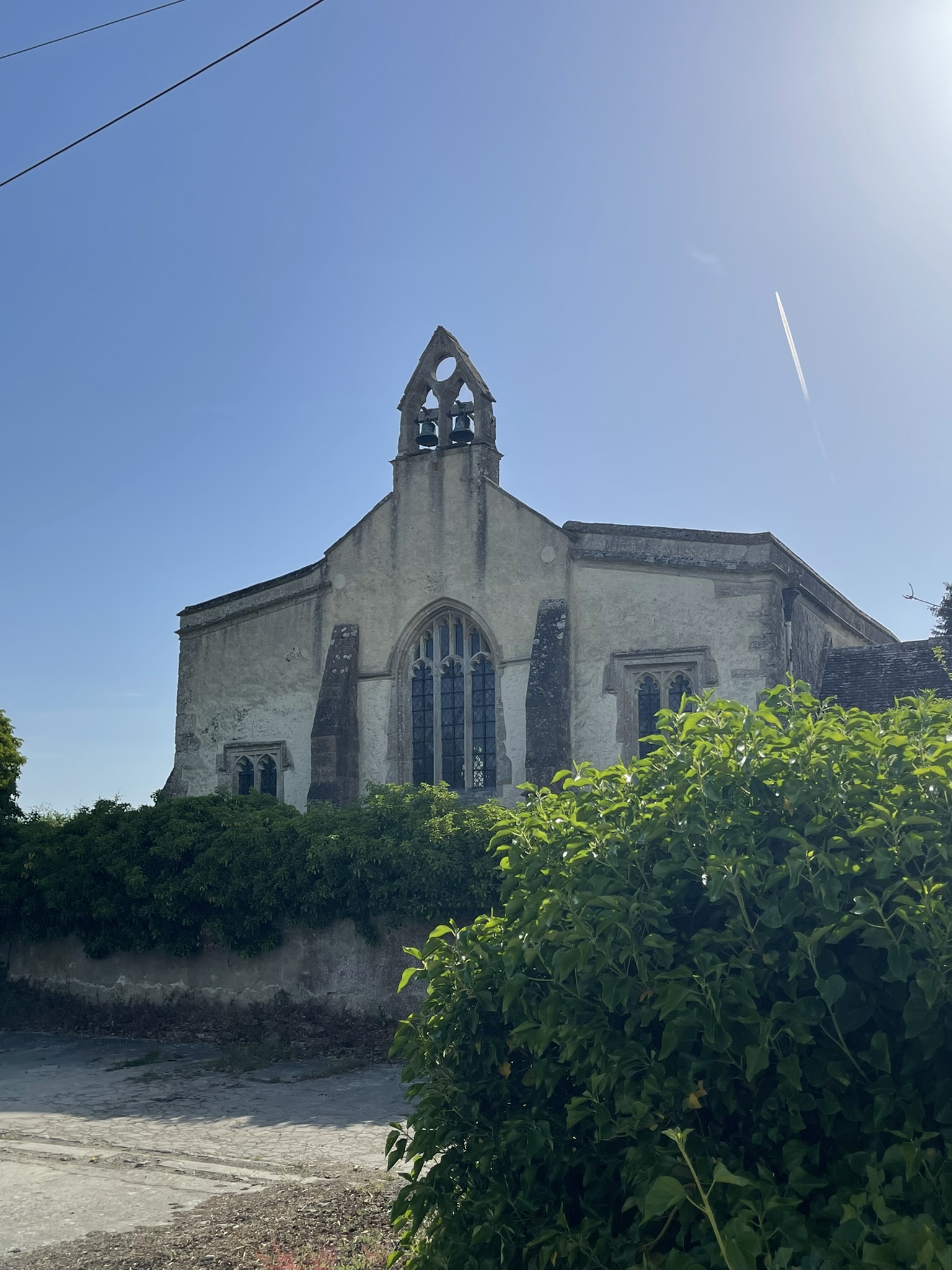
St John the Baptist Church
Hannington bridge
Millennium Wood
St Sampson’s church
It was a noticeably cooler morning after the heat of recent days. I had a full english (with beans!) at the pub and then we got on our way. Before we got on the path again we had a slight detour: a trip to the Cotswold Christmas shop, it’s only open at the weekends this time of year, but I scanned the QR code on the door to get the Walk the Thames passport stamp. We then headed back to the path to Ha’penny Bridge.
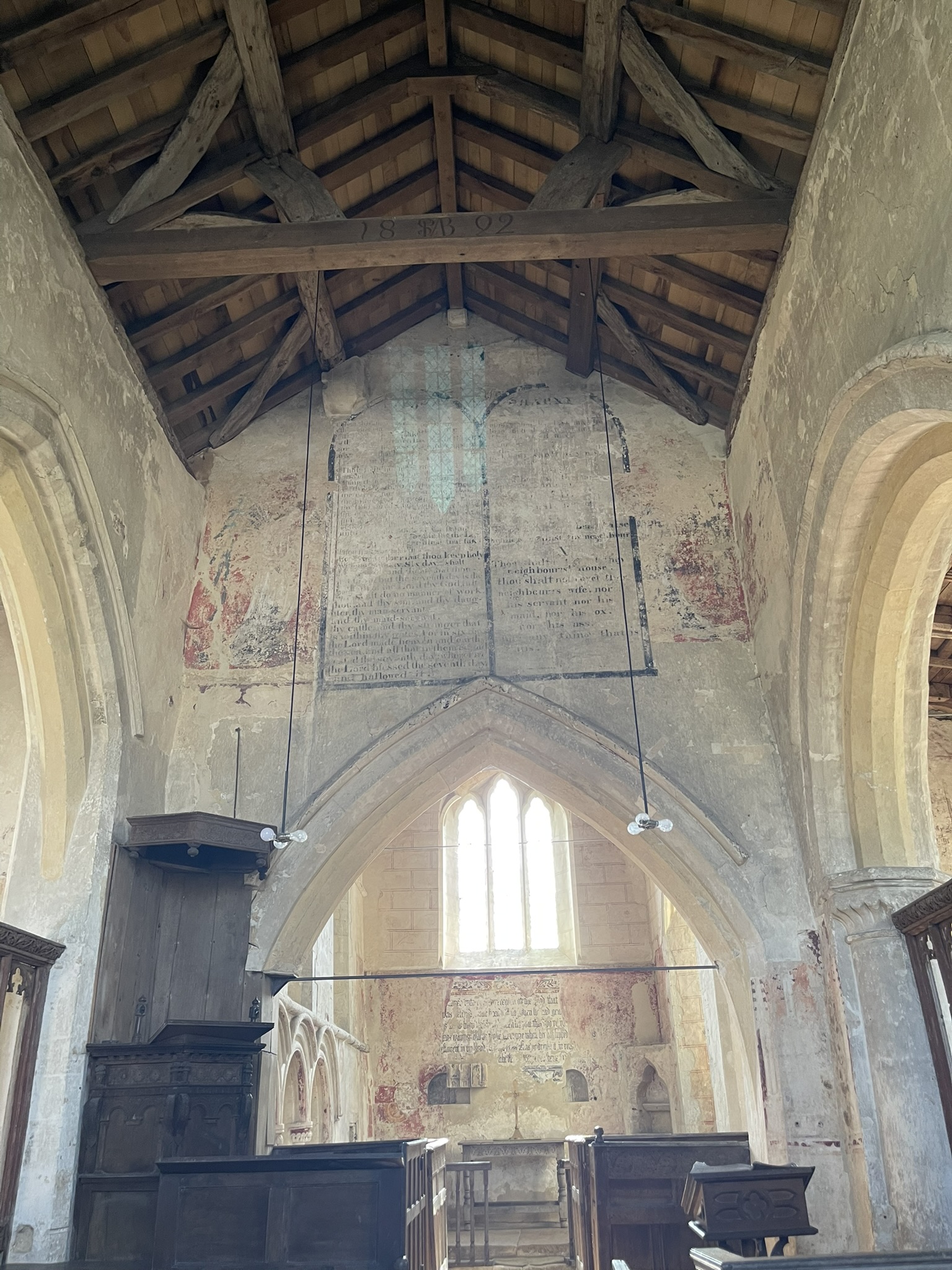
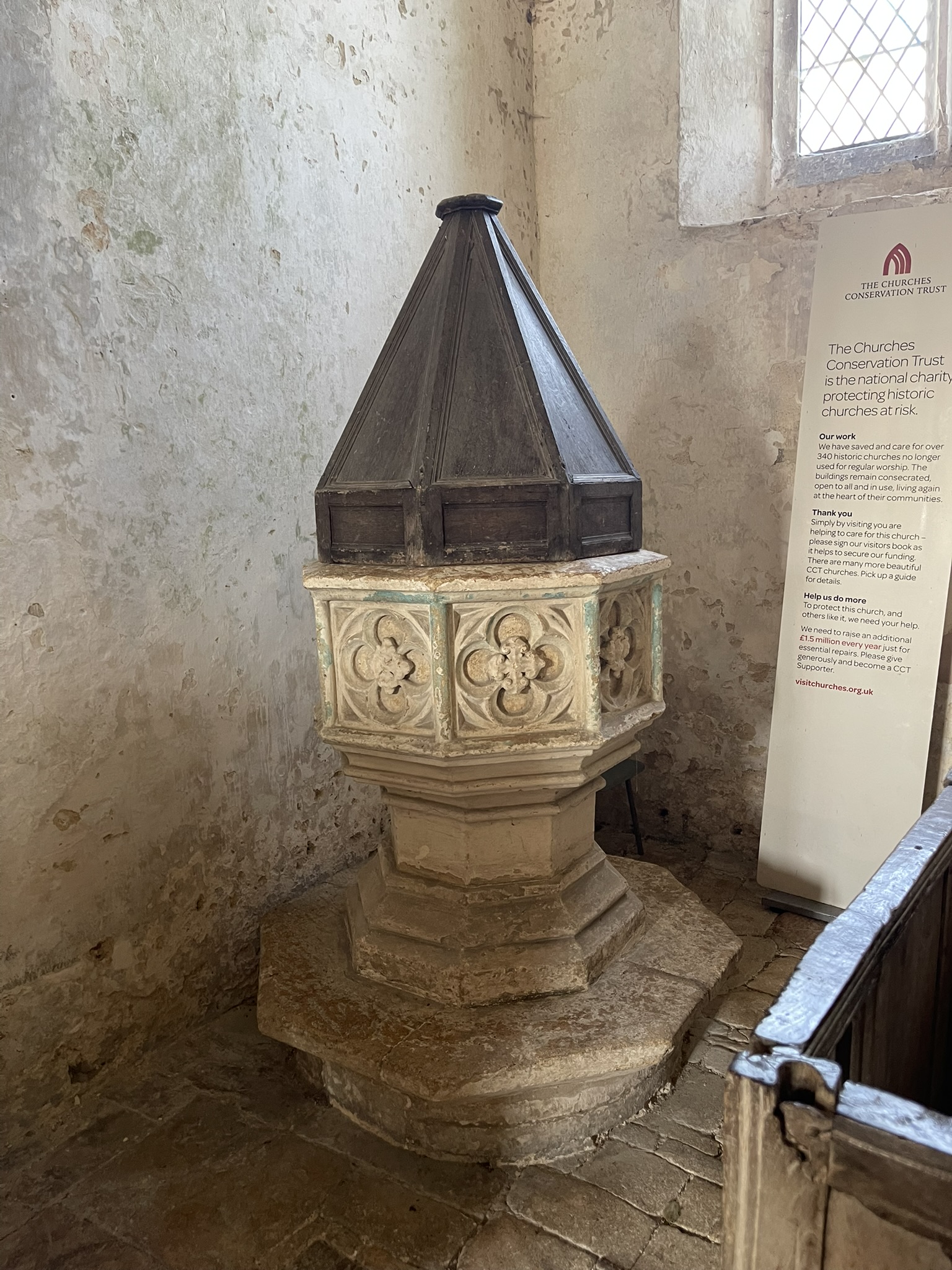
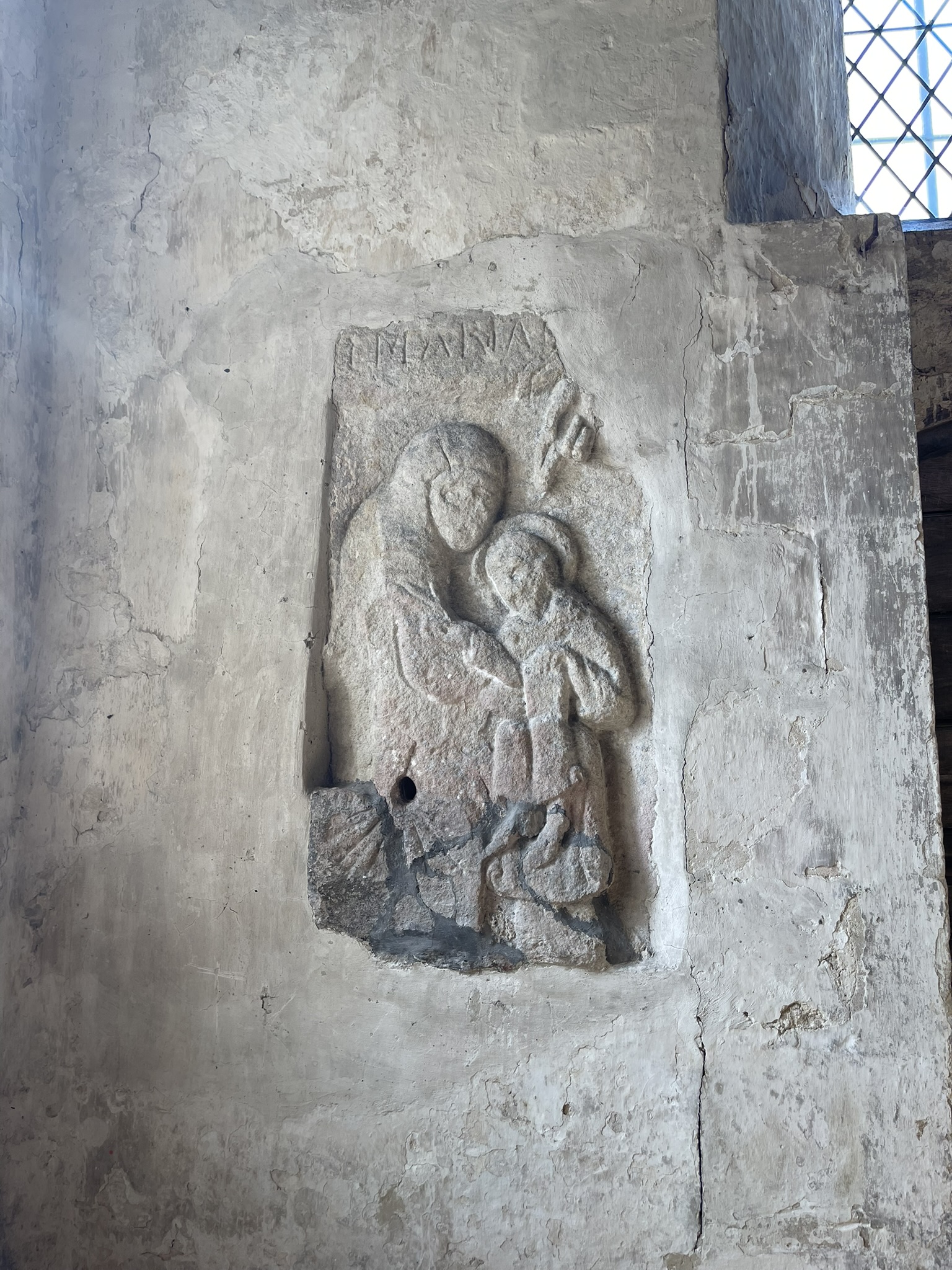
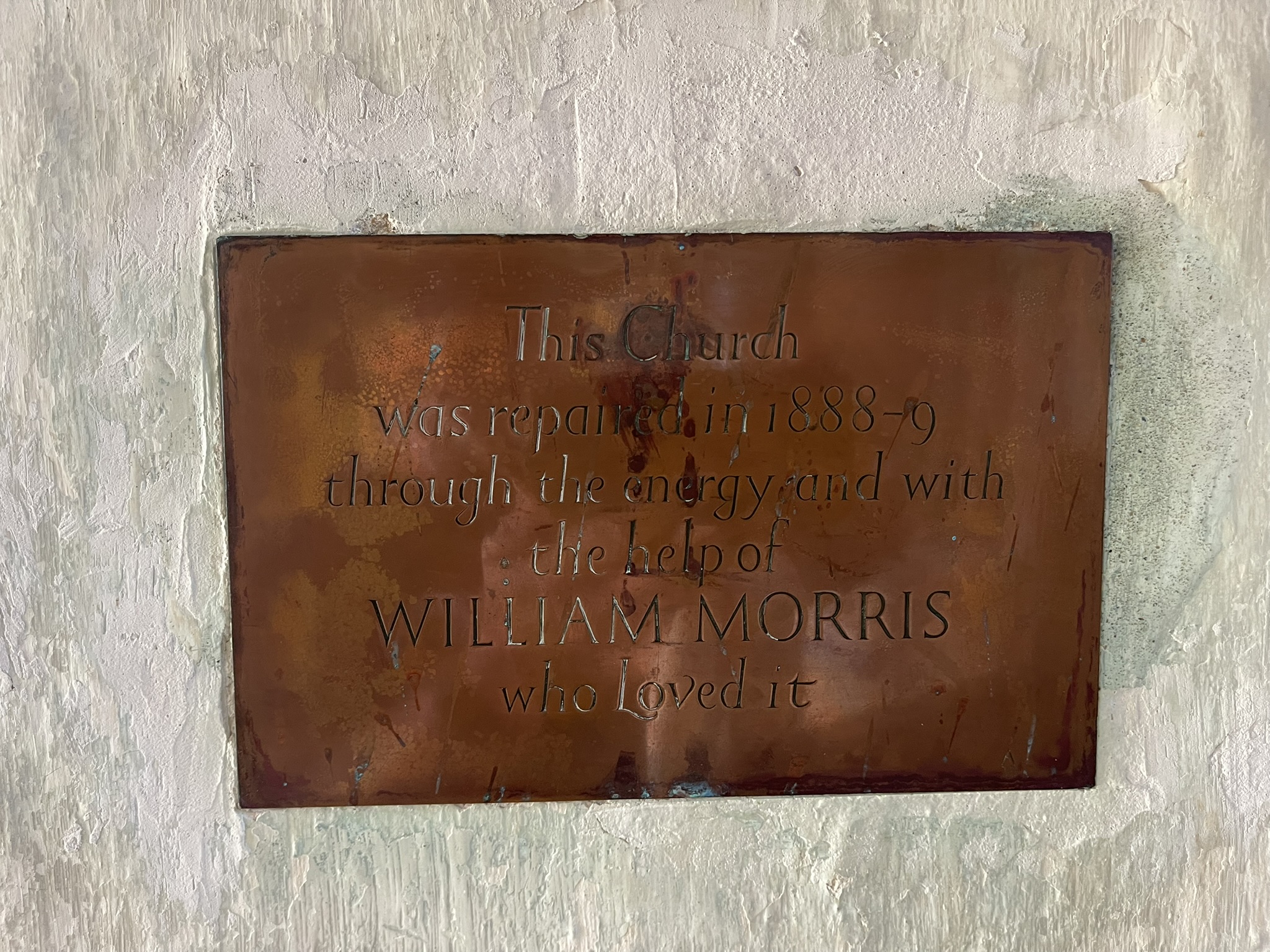
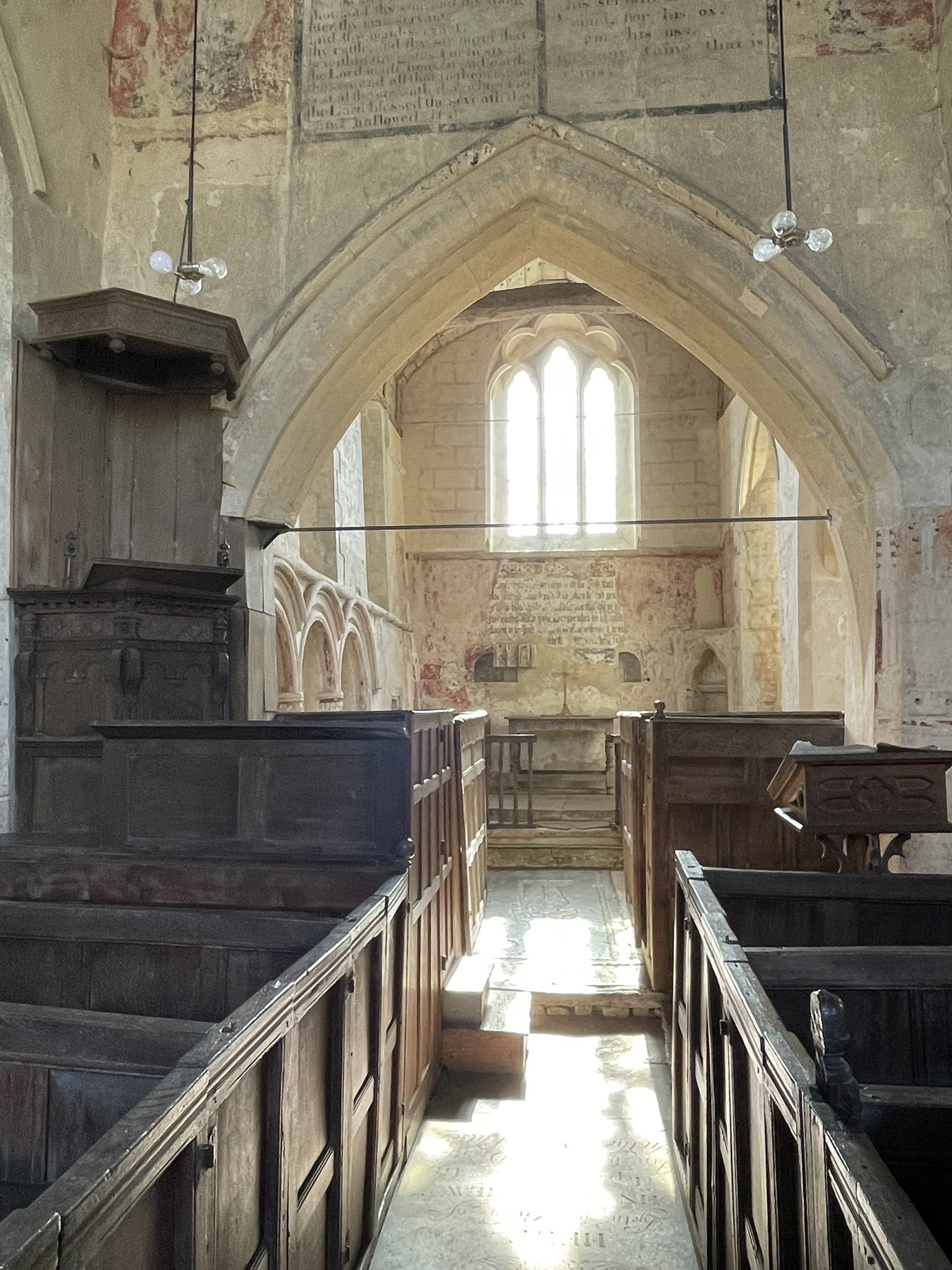
The path from Ha’penny Bridge passes through Inglesham within the first mile, and just off the route sits one of the most quietly extraordinary buildings on the whole Thames Path St John the Baptist Church. This thirteenth-century church stands on a gentle rise of land above waterside meadows near the Thames, and is a frequent stopping point for walkers. Its survival in this state is largely down to one man: William Morris, who lived at nearby Kelmscott, he oversaw its restoration in the nineteenth century, ensuring it kept its original medieval identity rather than being swept away in the Victorian Gothic style then in fashion. The walls are covered in paintings from the thirteenth to the nineteenth century, often one painted over another, in places seven layers thick. A plaque inside simply reads: “This church was repaired in 1888-9 through the energy and with the help of William Morris, who loved it.” We took a while walking round the church and collecting another stamp for my passport. We then sat in it’s shade and rested for a while before heading along the path again.
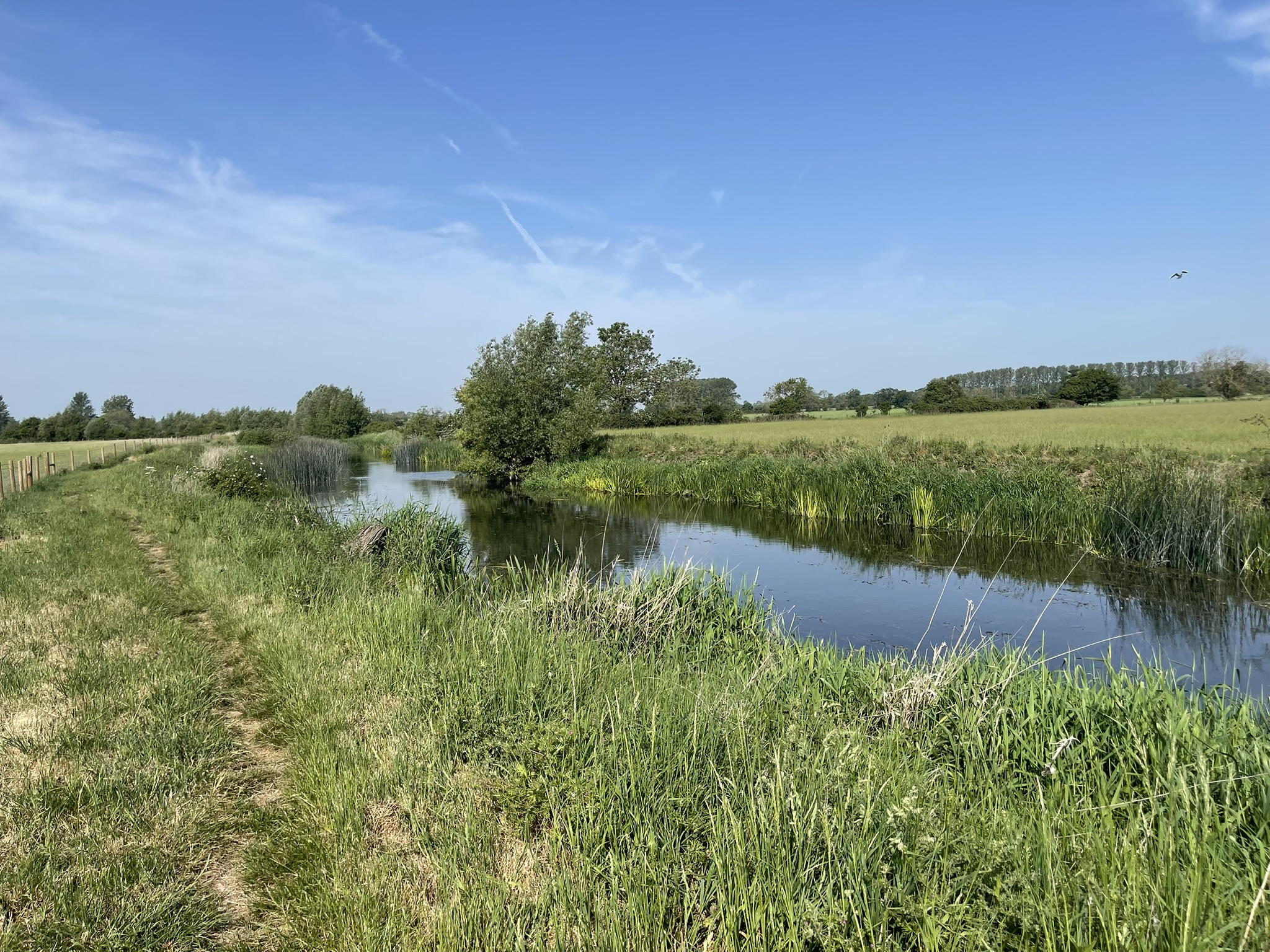
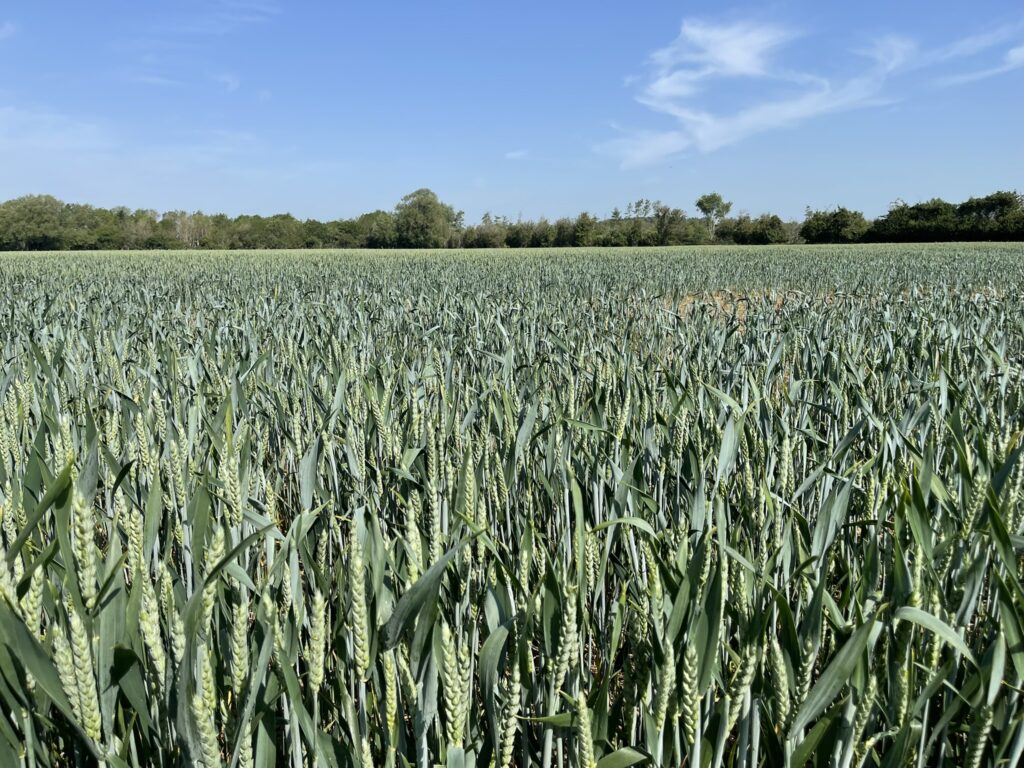
The landscape here is wide and flat, the river meadering along. Silence apart from the sound of the birds and the occasional roar of aircraft from nearby RAF Brize Norton. We past through fields of wheat and fields of sheep. The Thames here is so different to the Thames that i’ve known in London. This is what I wanted when I started the walk all those miles away, peace and fresh air.
We continued along, passing under Hannington bridge which was built of stone in 1841, replacing an earlier wooden bridge.
Continuing along the path we reached the village of Castle Eaton which sits on a slight rise above the flood plain. Its name carries its history: the name derives from the Saxon “ey” (island) and “ton” (dwelling), later acquiring “Castle” from the de la Zouche family, who built a sumptuous castle on the south bank of the river in medieval times. The old castle has long since been demolished – and the Red Lion inn is said to stand on part of its former site.
We took a break at The Red Lion, a cider for me and a bowl of water for Cher. I joined some other walkers who were also doing the path. It’s great to hear the enthusiasm of other people talking about their experience. These brief meetings are one of the small pleasures of a long trail.
Once rested, I filled up our water bottles and we were on our way again. One of the subtle pleasures of this section is watching what happens to the Thames. By Castle Eaton it’s already a fraction of what it was at Oxford; by the time you’re approaching Cricklade it’s closer to a stream than a river – clear, narrow, threading through the meadows.
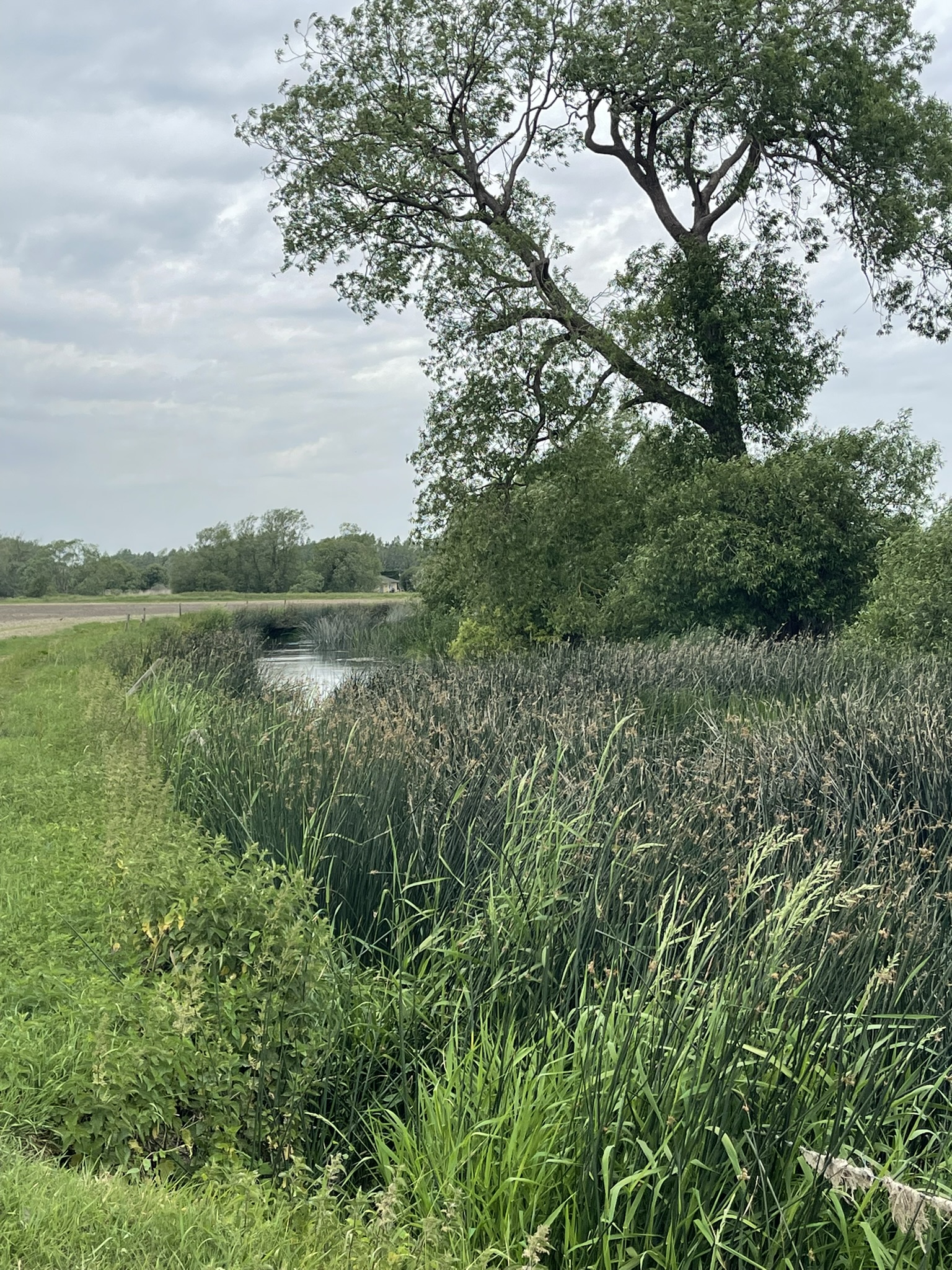

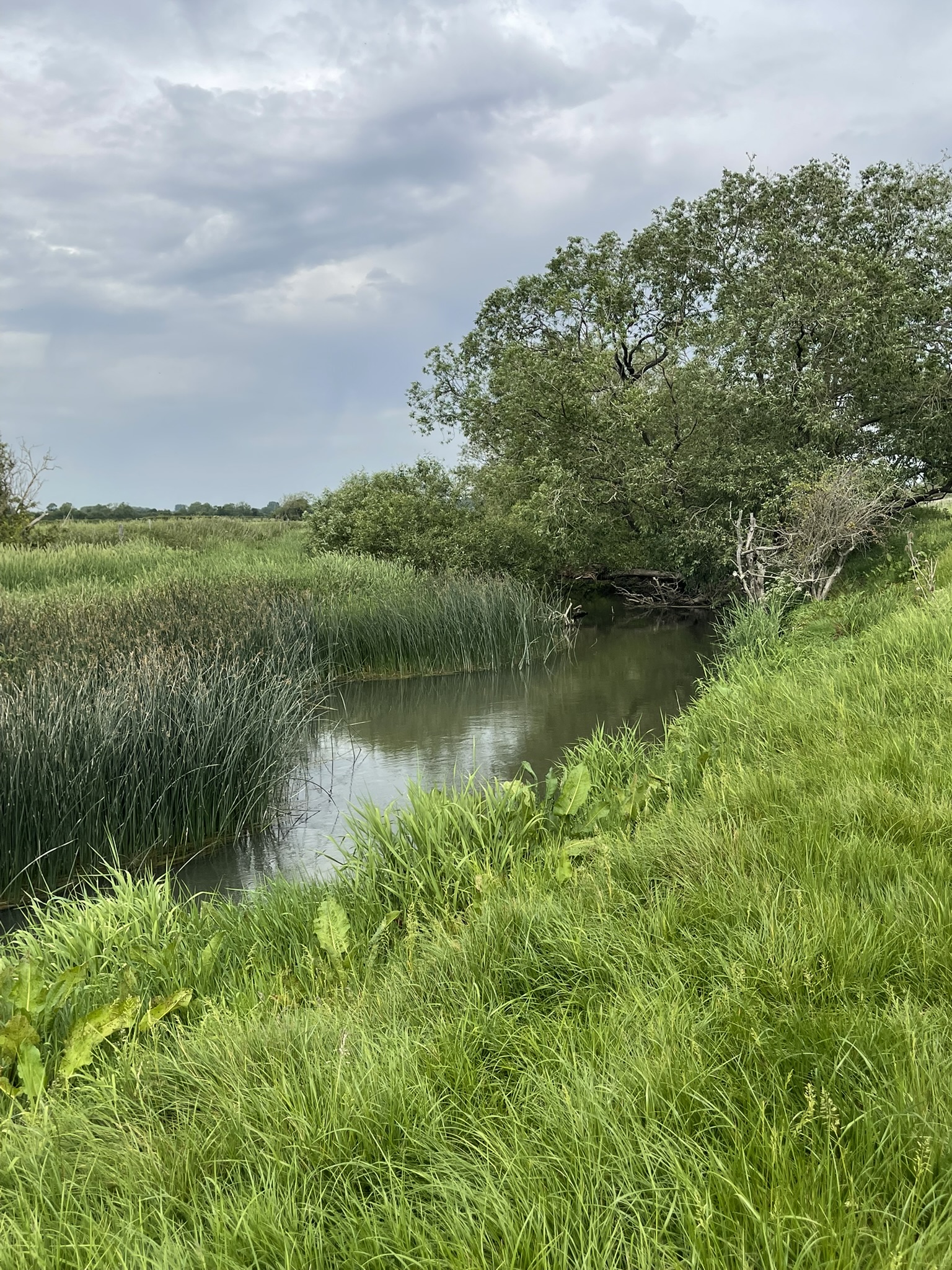
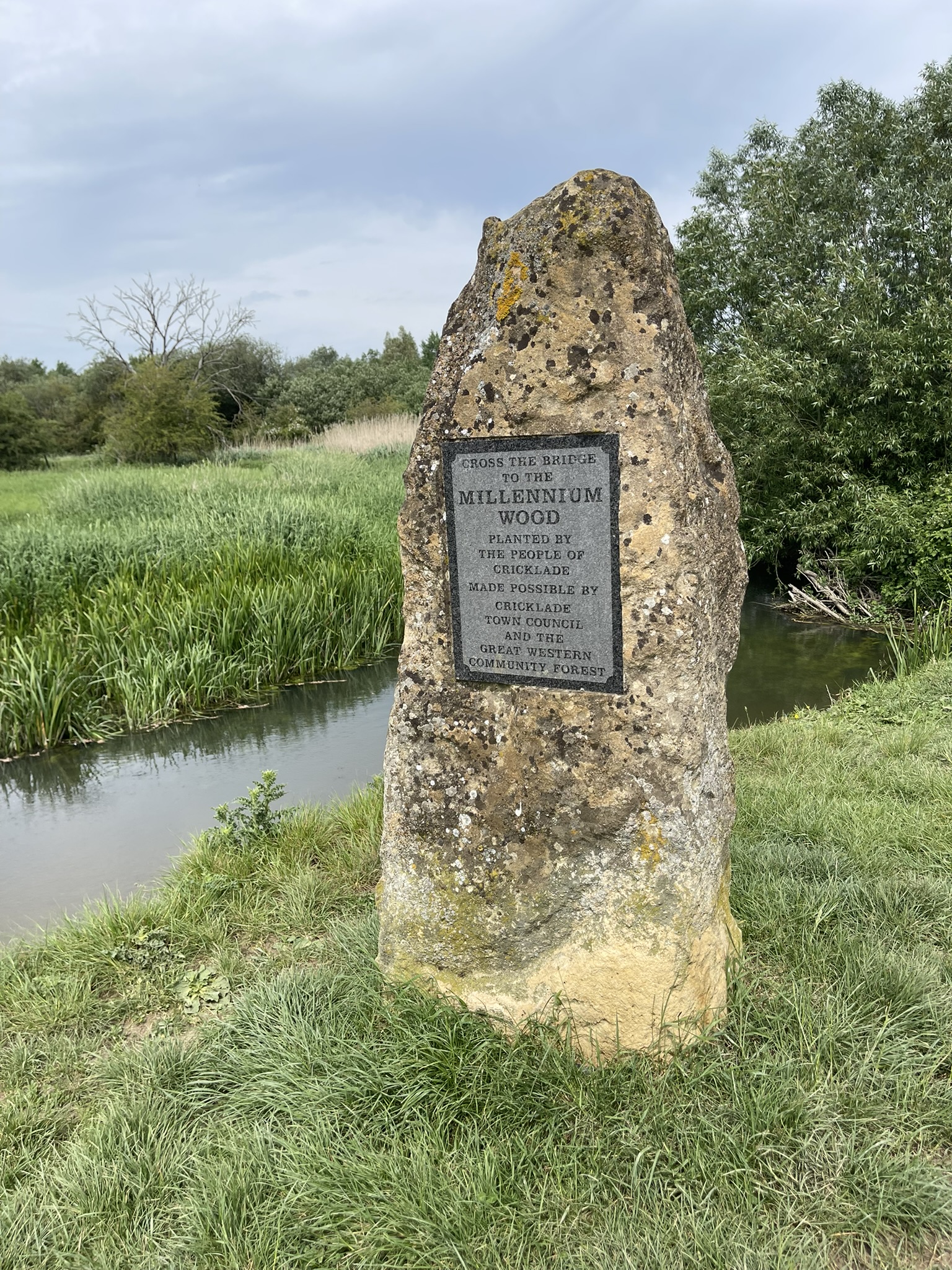
The final four miles of this stretch past through more open fields before arriving at the Millennium Wood, which was a welcome site as we approached Cricklade.
Alfred the Great built a fortified new town here following his victory over the Vikings at Edington in 878, and it became the most intact example of a late Saxon fortified town in Britain. By the early tenth century it was important enough to have its own royal mint. It is one of thirty burhs recorded in the Burghal Hidage – the system of fortified towns thrown across Wessex by King Alfred, positioned at a strategic crossing of the Thames on the Roman road Ermin Way. The street plan that Alfred laid out is still largely the street plan of Cricklade today.
The Red Lion was the first stop – another passport stamp for the Walk the Thames collection, and a pint very much needed after the miles. Check-in wasn’t until 5pm, so I had time on my hands to explore, or maybe another drink. The Old Bear was a short walk away, a bit of a locals pub, but friendly enough, and my pint was less than £5!! I’ve not paid that in years!. I had a couple of celebratory pints there, Cher stuck to her water.
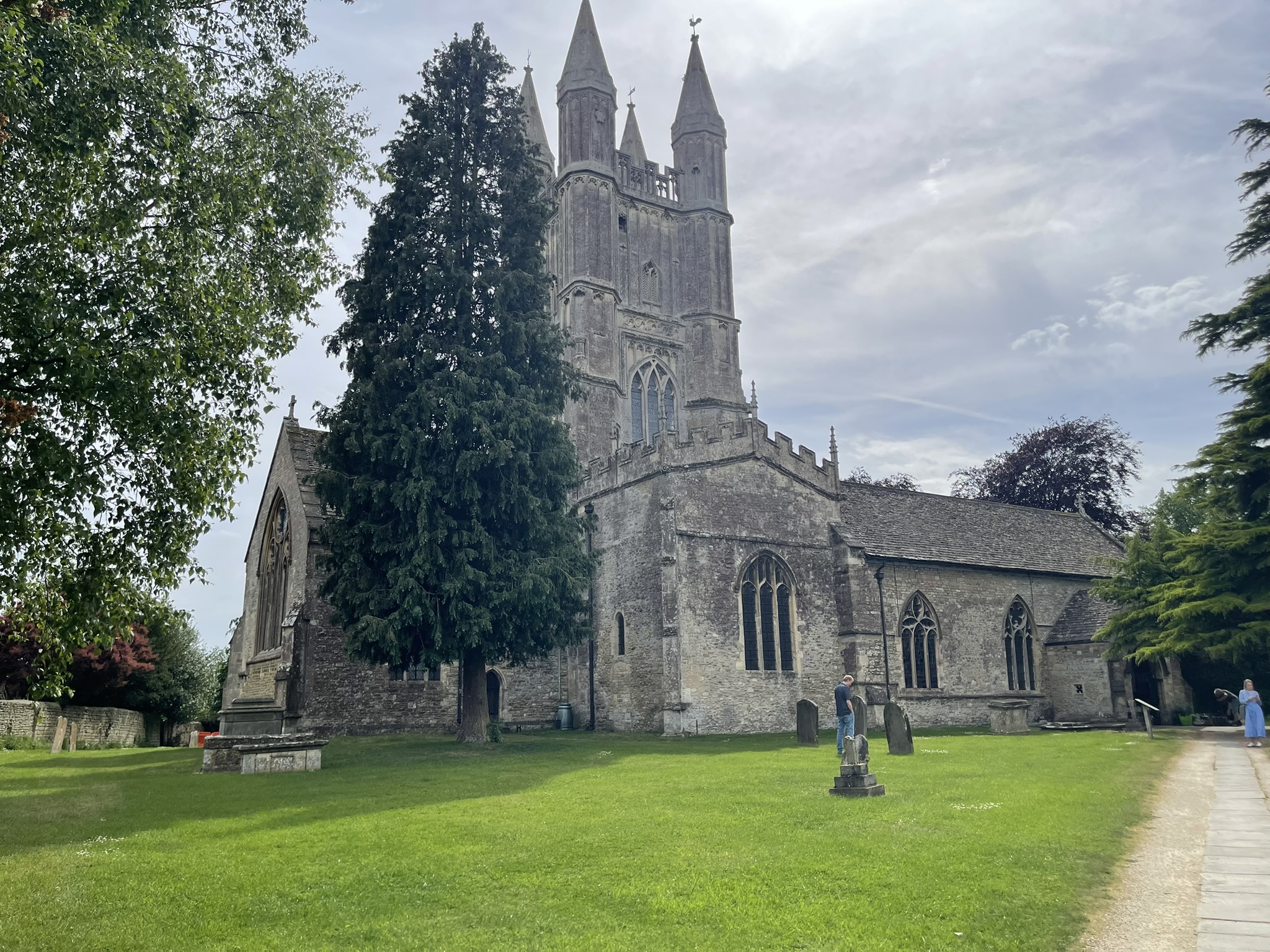
Before settling in for the evening, Cher needed a walk, and St Sampson’s church grounds were the natural choice. The present building dates from the late twelfth century but contains fragments of Anglo-Saxon work. The dedication is to Saint Samson of Dol, born in Wales in the late fifth century, who was one of the founders of Christianity in Brittany – it is one of only five churches in England dedicated to him. A stone church existed on this site as early as around 973 AD. The tower dominates the town skyline and can be seen across the flat fields for miles around.
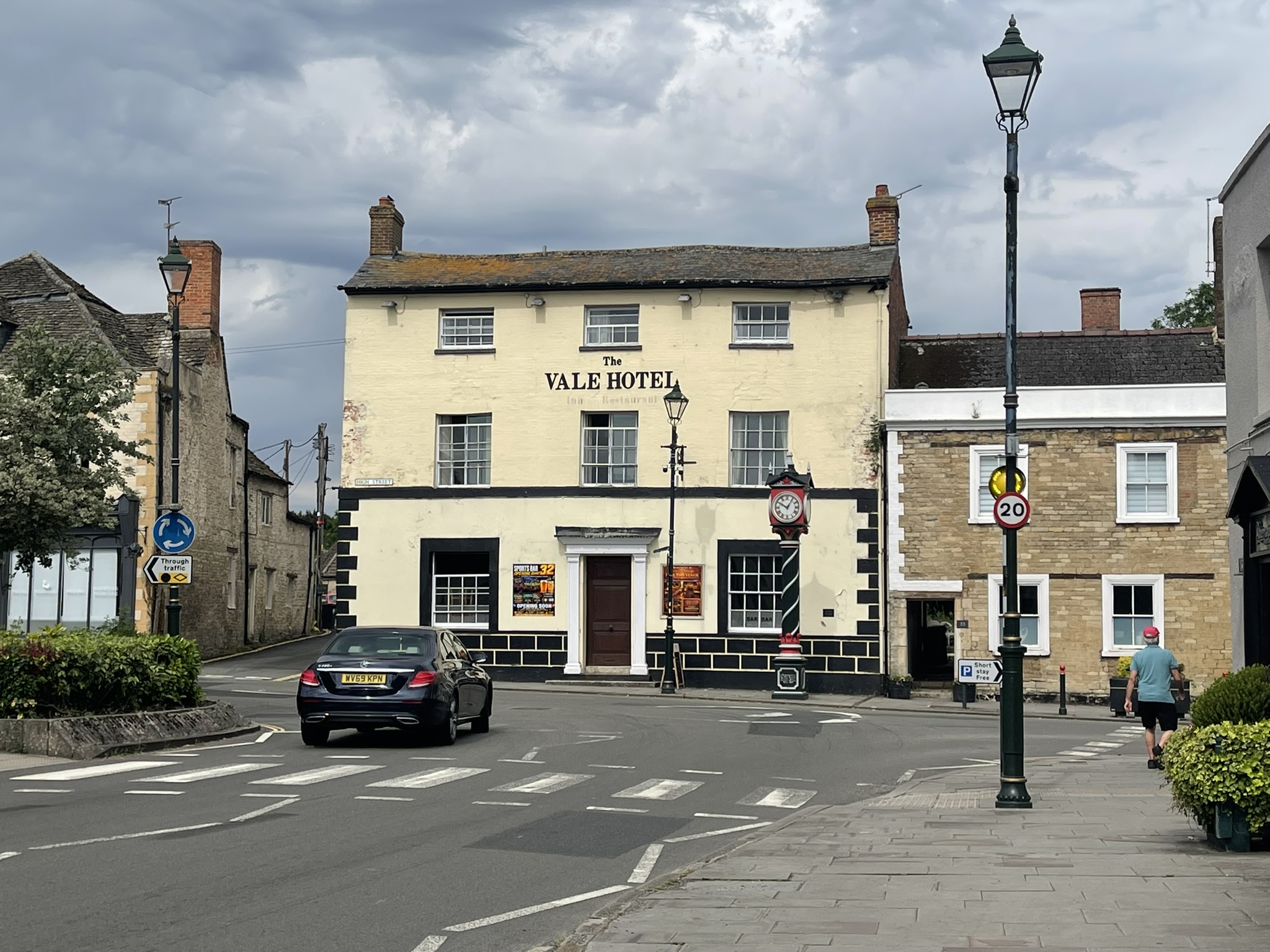
I had booked into a single room at the The Vale hotel which was perfectly comfortable. There was a large beam running across at exactly head height, which I knew I was going to collide with at some point and I did.
Dinner was at a Thai restaurant at the back of the pub – Jicsaw, and it was genuinely exceptional. The food was washed down with another pint of cider – Hawkstone cider – which was recommended to me by the owner. I had to celebrate! Despite the heat, it had been a wonderful walk, through some of Englands best countryside. I’m back in a couple of weeks for the final stretch – Cricklade to the source of the Thames.