


Total Distance: 6.5 miles
Time: 2 hours 53 minutes
Points of Interest:
Newbridge
Shifford Lock
Chimney Meadows
Ten Foot Bridge
Tadpole Bridge
This six-mile stretch between Newbridge and Tadpole Bridge was one we missed a couple of weeks earlier, when we were turned back by the fierce heat of that unusually hot May. Today was different – cooler air, the rain had cleared, and joined by my sister Louise and nephew Sam for the walk.
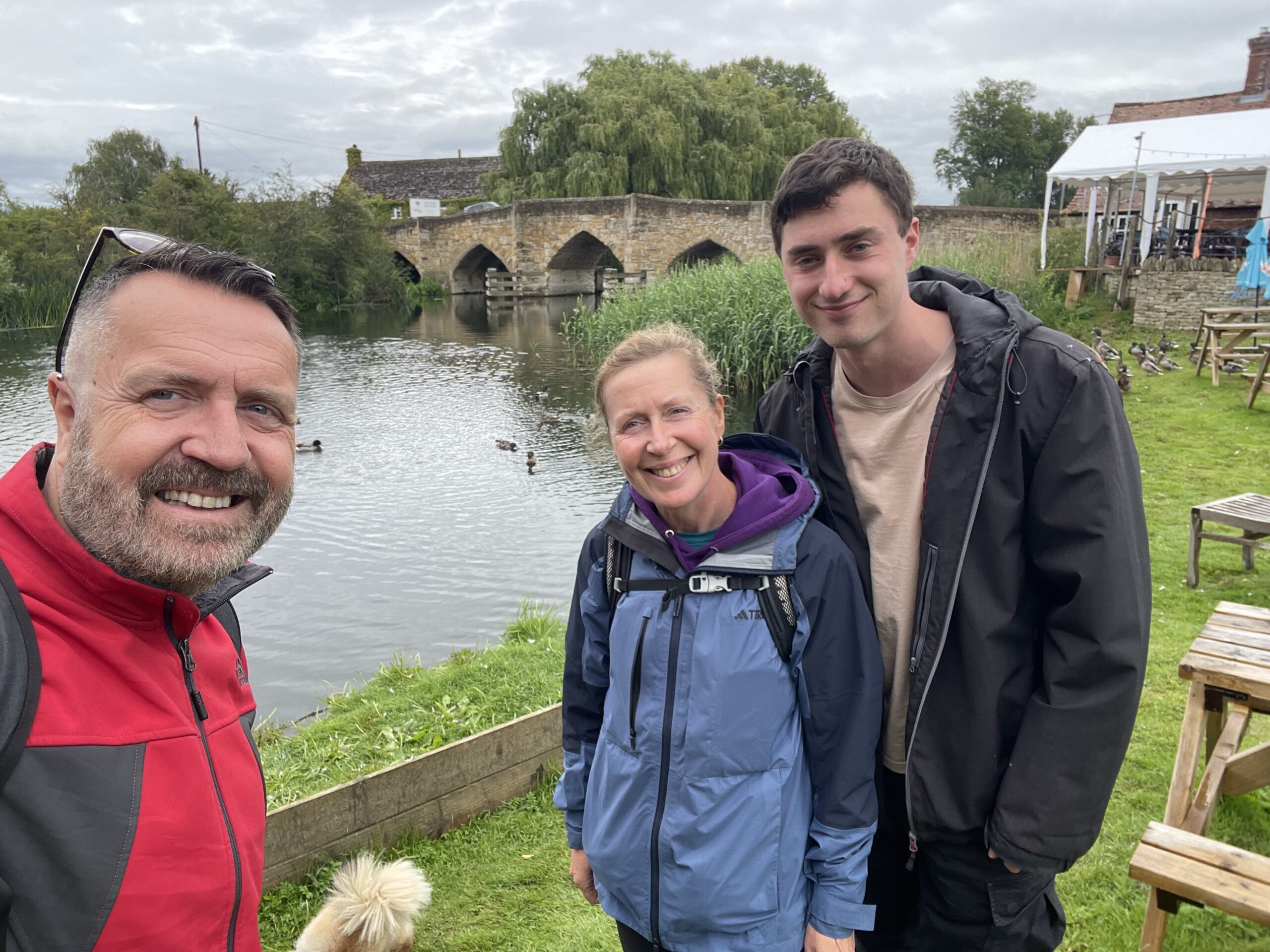
We set off from Newbridge, which earns its ironic name well – it is in fact one of the oldest bridges on the Thames, built by monks on the orders of King John in the 13th century to link the wool towns of the south with the Cotswold farms. It is built of Taynton stone, in the same way as nearby Radcot Bridge, and its elm beam foundations, laid by those monks, are said to be still in place beneath the river. The bridge has seen its share of drama too – in 1644, during the Civil War, the Parliamentarian general William Waller attempted to cross here to surround Oxford and capture King Charles, but was defeated.
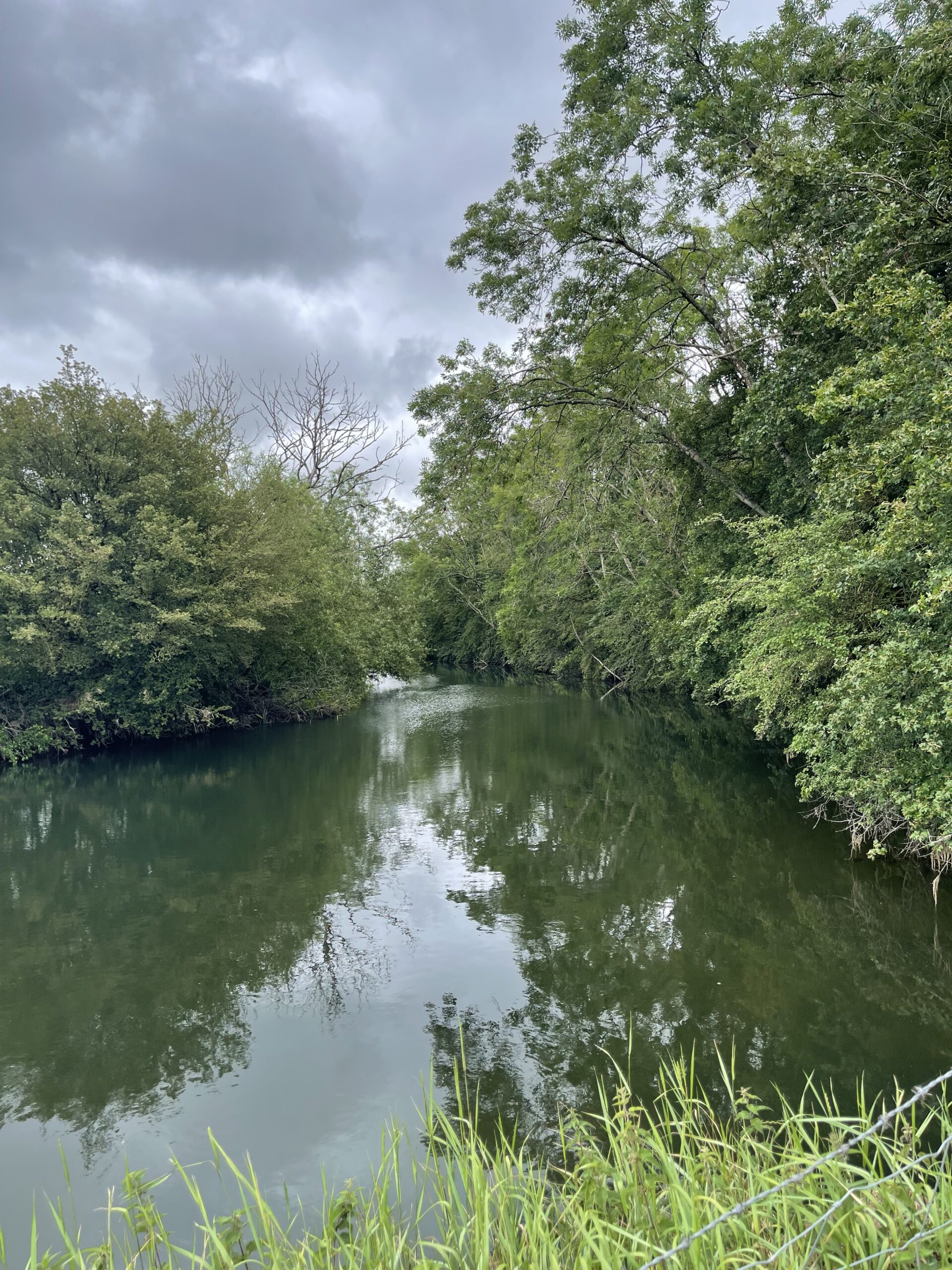
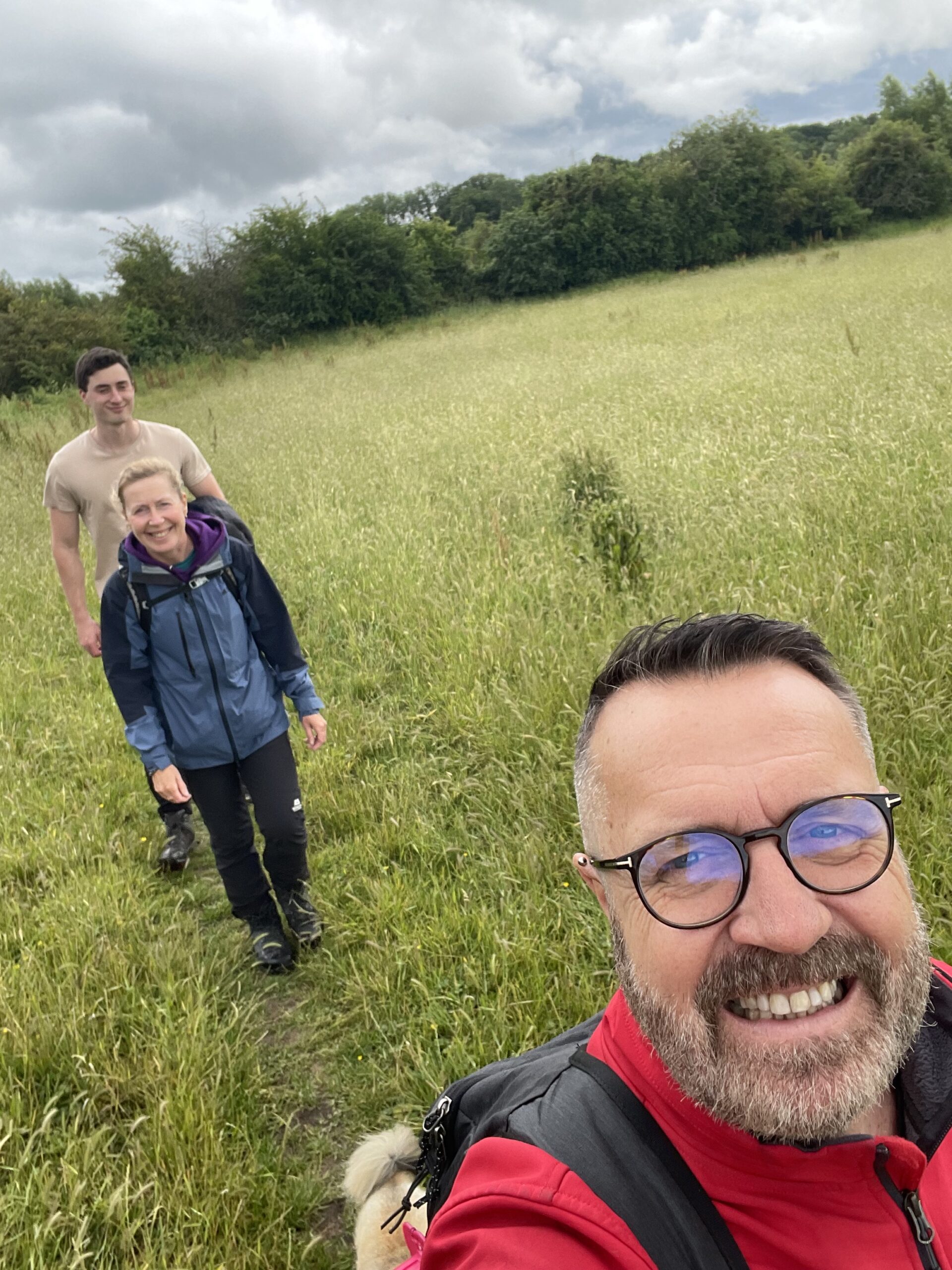
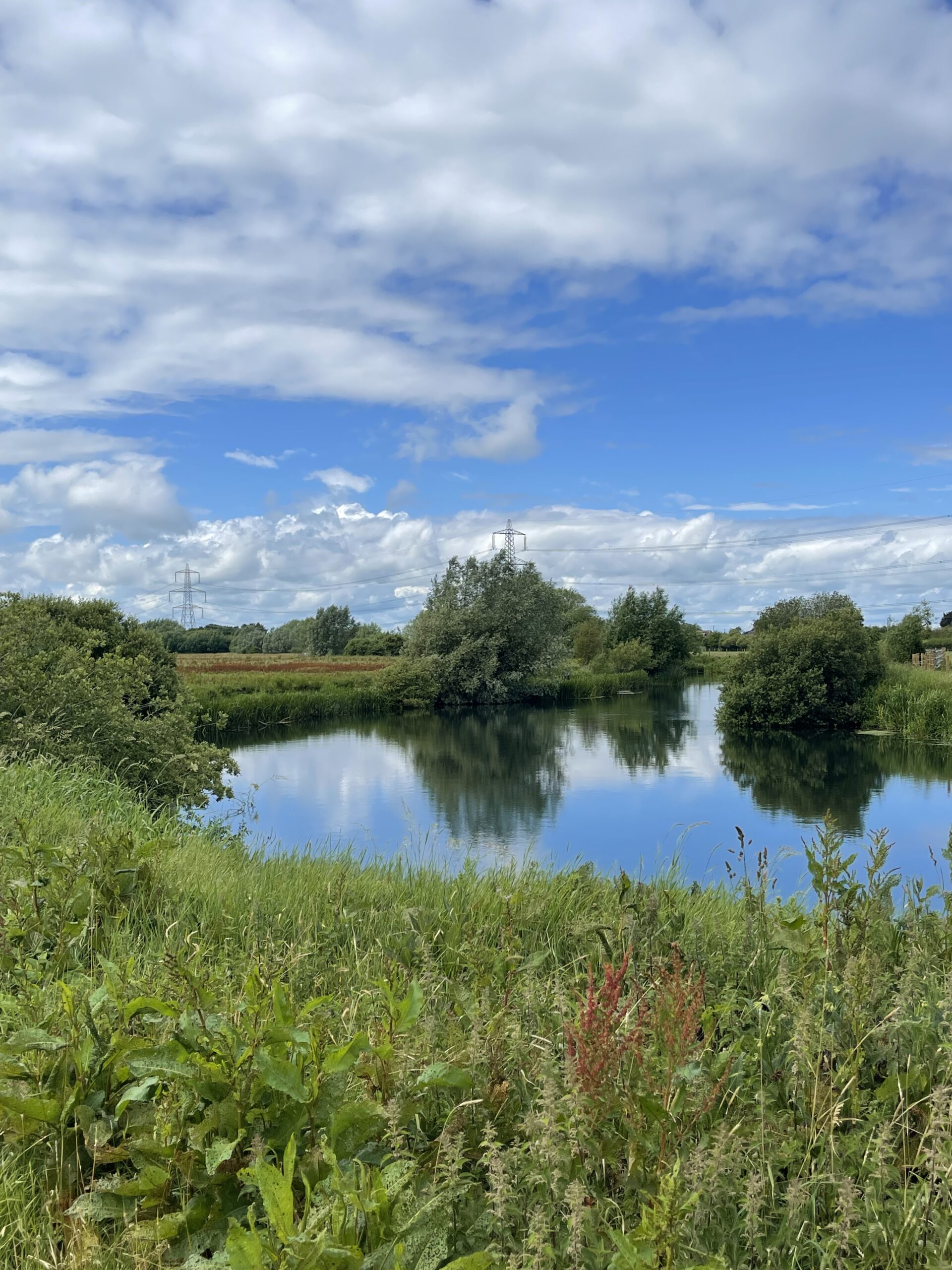
From here, the path cuts across fields and doesn’t wander far from the river. The Thames in this stretch is unhurried and self-contained. The silence is punctuated only by the occasional call of a cuckoo.
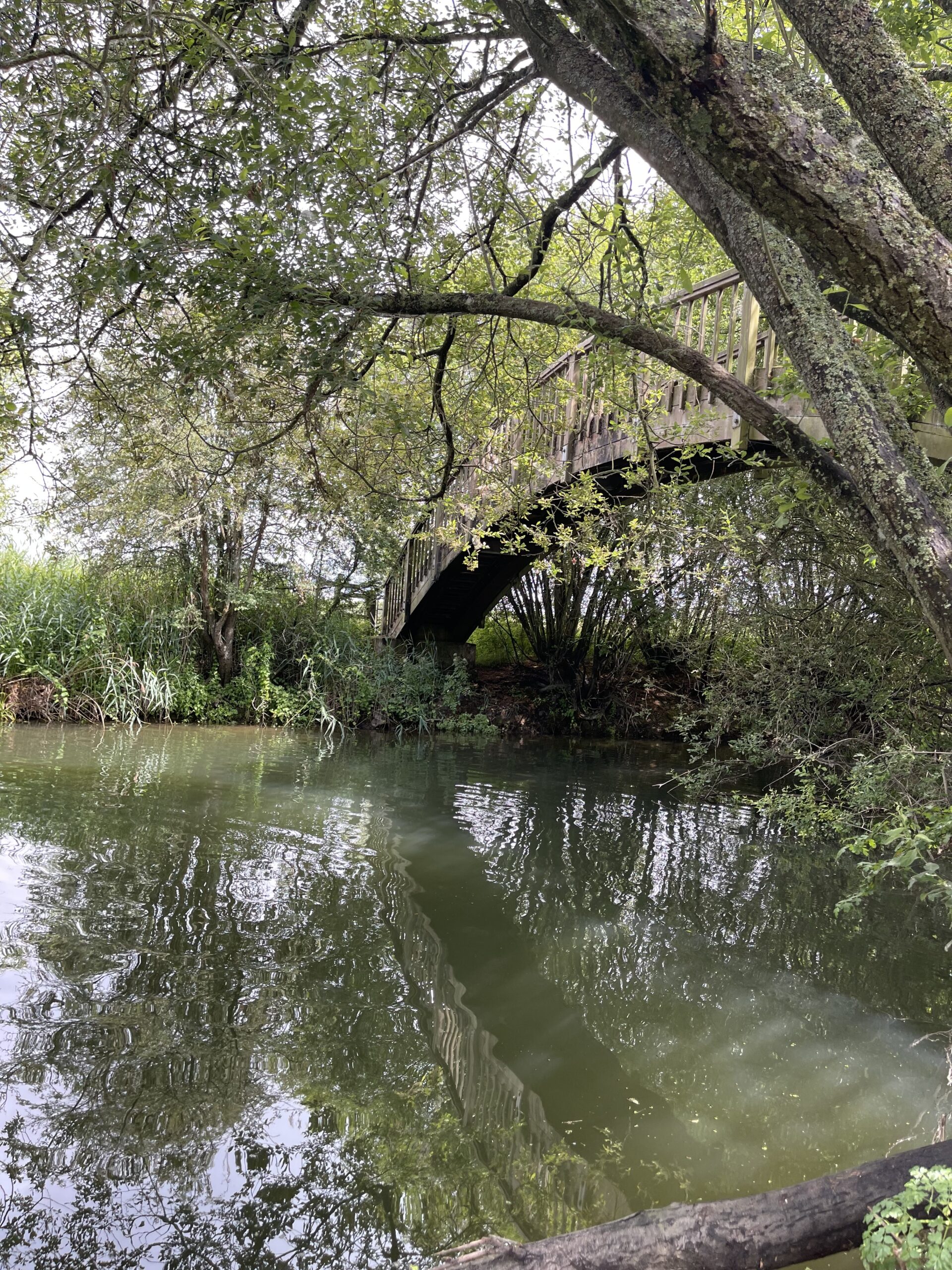
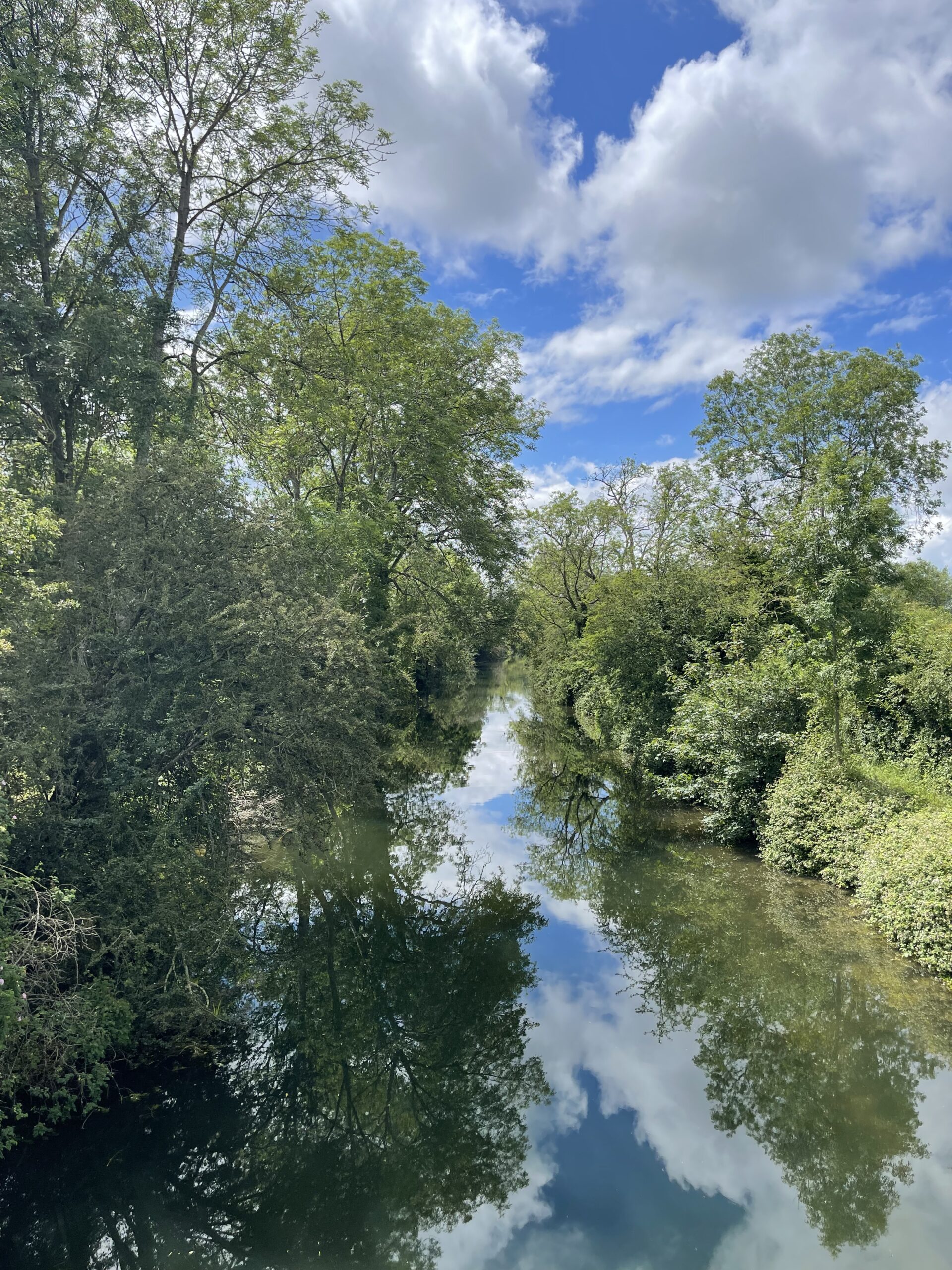

Shifford Lock came as a welcome pause. One of the last locks to be built on the non-tidal Thames, it dates from 1898. The original river meandered south in a loop to Duxford village, but the shallow waters were preventing many vessels from travelling further upstream. The lock cut was designed to save a mile and a half of journey time and open the river to navigation again – the whole project took only eighteen months from conception to opening. Before all of that, this remote spot had a far grander claim to fame: legend has it that King Alfred held one of his earliest parliaments at Shifford in around 890 AD. An old account conjures it vividly –
“there sat, at Siford, many thanes, many bishops, and many learned men, proud earls and awful knights… Alfred, England’s herdsman – England’s darling.”
After a short lunch break close to the lock, we continued along the path through Chimney Meadows. The reserve covers more than 300 hectares of wildflower meadows and wetland, with the Thames meandering through it. Its fields are part of an ancient landscape, shaped by the river and by centuries of farming. It was once a commercial farm, but since the Berks, Bucks and Oxon Wildlife Trust took it on in 2003, fields that were planted with wheat and barley have been transformed into species-rich wildflower meadows. Birds of prey are a regular sight overhead – marsh harriers, barn owls, hobbies – and it has been designated a Coronation Meadow in recognition of its ecological importance. Dotted along the way are Second World War pill boxes, squat and incongruous in the reeds, reminding you that even this remote bend of the river was once considered worth defending.
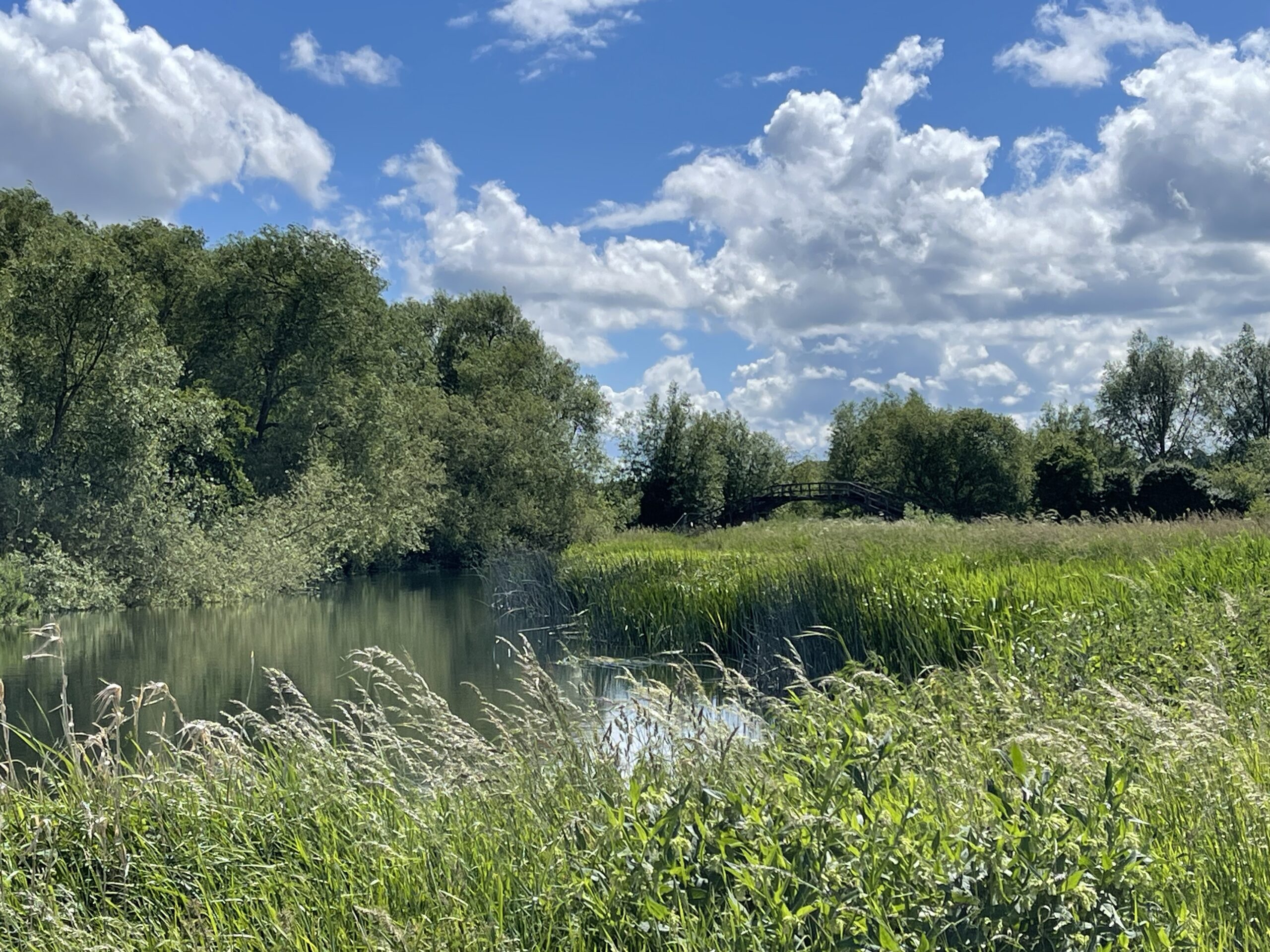

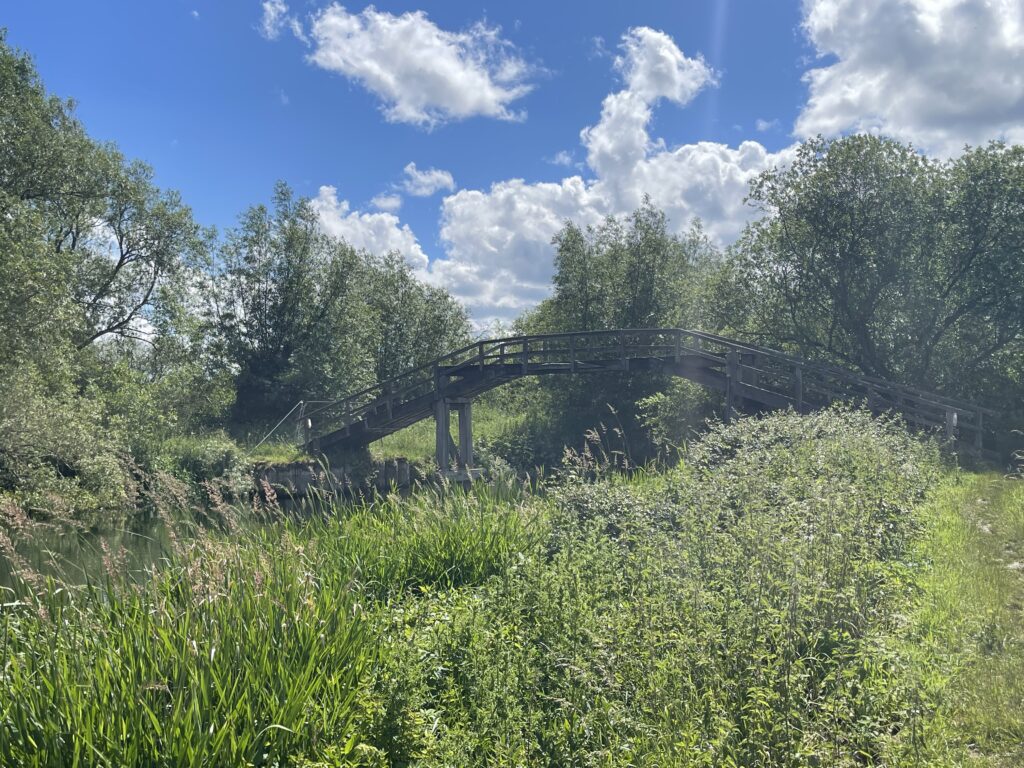
Then came the Ten Foot Bridge – a modest wooden footbridge. The name comes from a pre-existing weir with a ten-foot-wide flash lock; in 1867 there were complaints about the state of the weir bridge, and after a dispute the Thames Conservancy removed the weir and built the replacement in 1869. The Thames Path passes alongside it but doesn’t cross it.
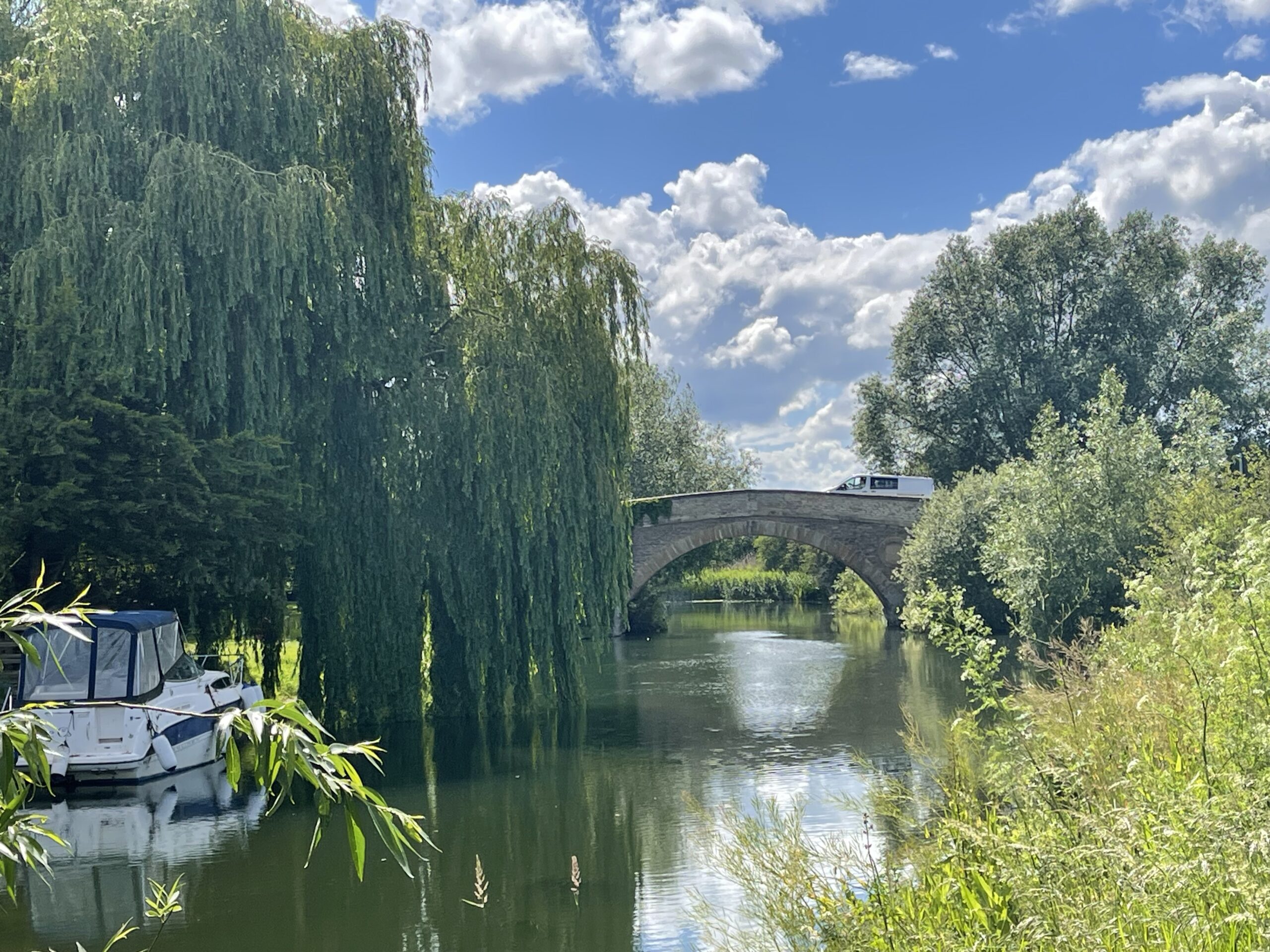
Continuing along the path and through the meadow, Tadpole bridge began to come into view. A single graceful stone arch, it dates from the late 18th century, with the earliest reference to it in 1784, and is now a Grade II listed building. One writer described it as “the Cinderella amongst the bridges”. On the opposite side of the bank my parents were waiting patiently in the garden of The Troat Inn. We crossed the bridge and joined them for a well deserved pint of cider, cold and sharp and exactly right. Six miles, a cuckoo, a medieval bridge, 300 hectares of rewilded meadow, and a pint. The upper Thames at its very best.