


Total Distance: 7.8 miles
Time: 4 hours 00 minutes
Points of Interest:
Swinford bridge
Pinkhill Lock
Northmoor Lock
Newbridge
Tadpole Bridge
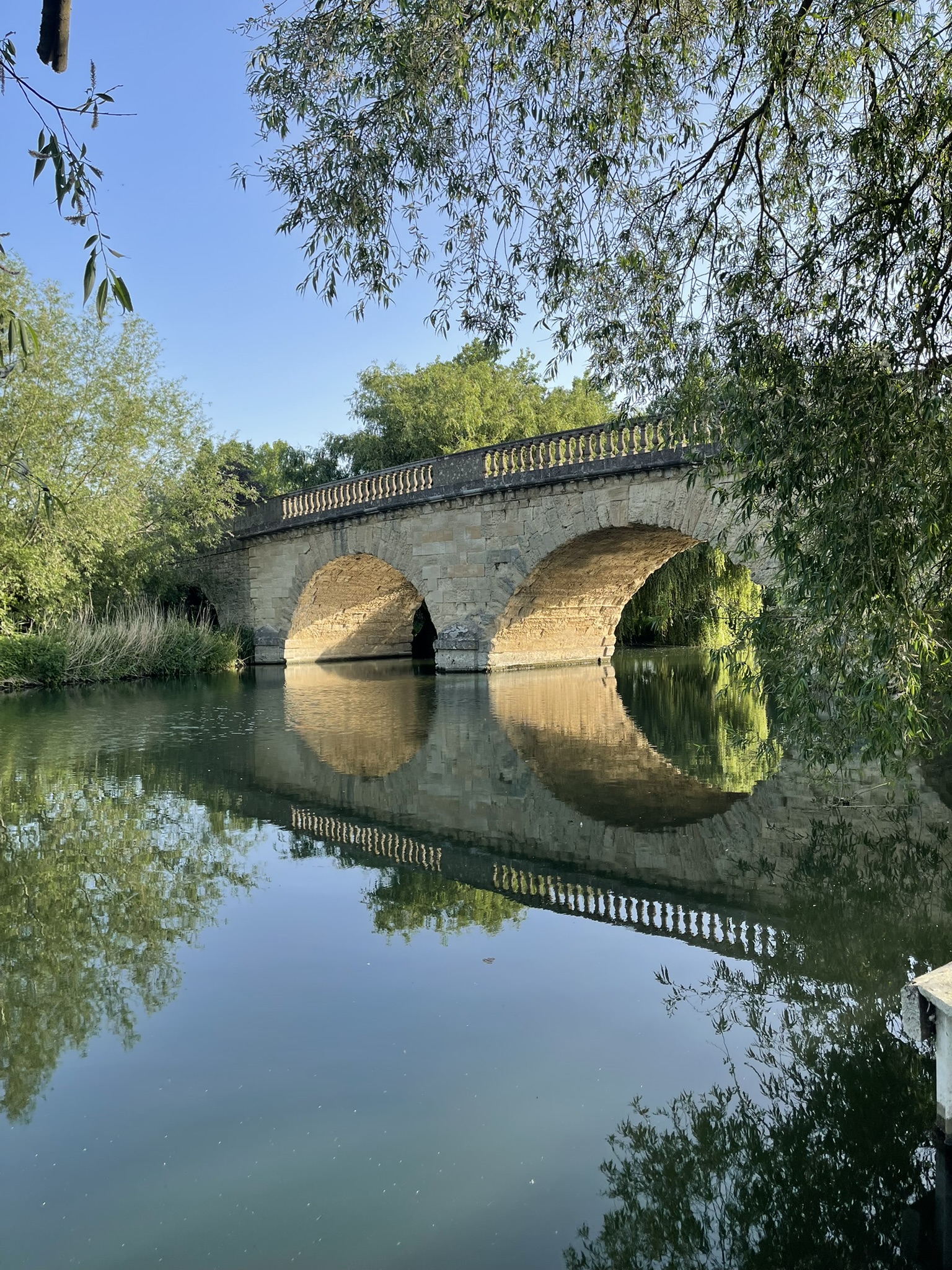
We had a comfortable nights sleep at the The White Hart pub and we were out the door by 7am. I wanted to beat the heat so an early start was needed. The air was already warm, as we walked towards Swinford bridge and back onto the path. Cher was delighted, rolling around in the dew-soaked grass like the walk hadn’t even started yet. She was right to enjoy it while she could.
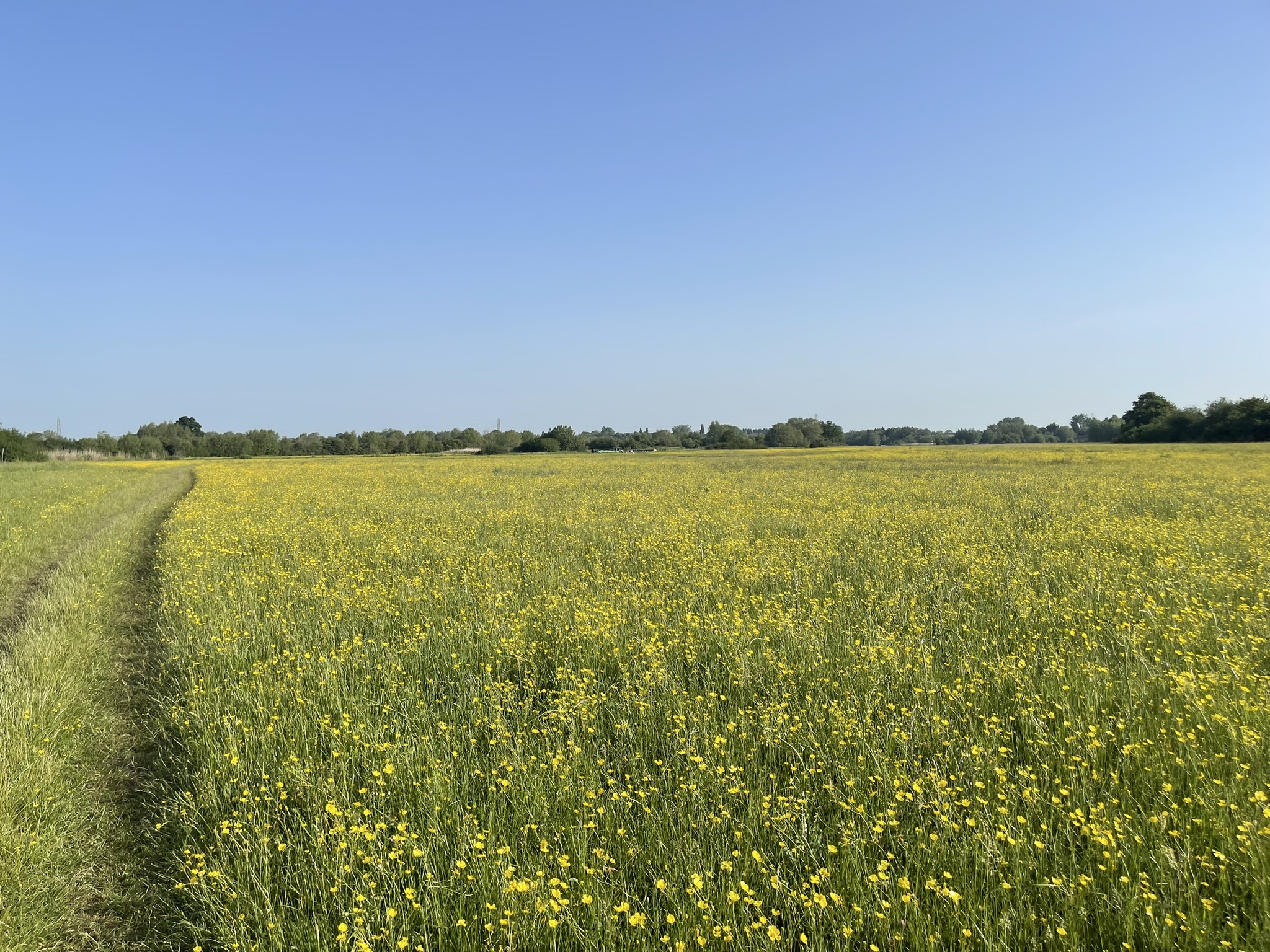
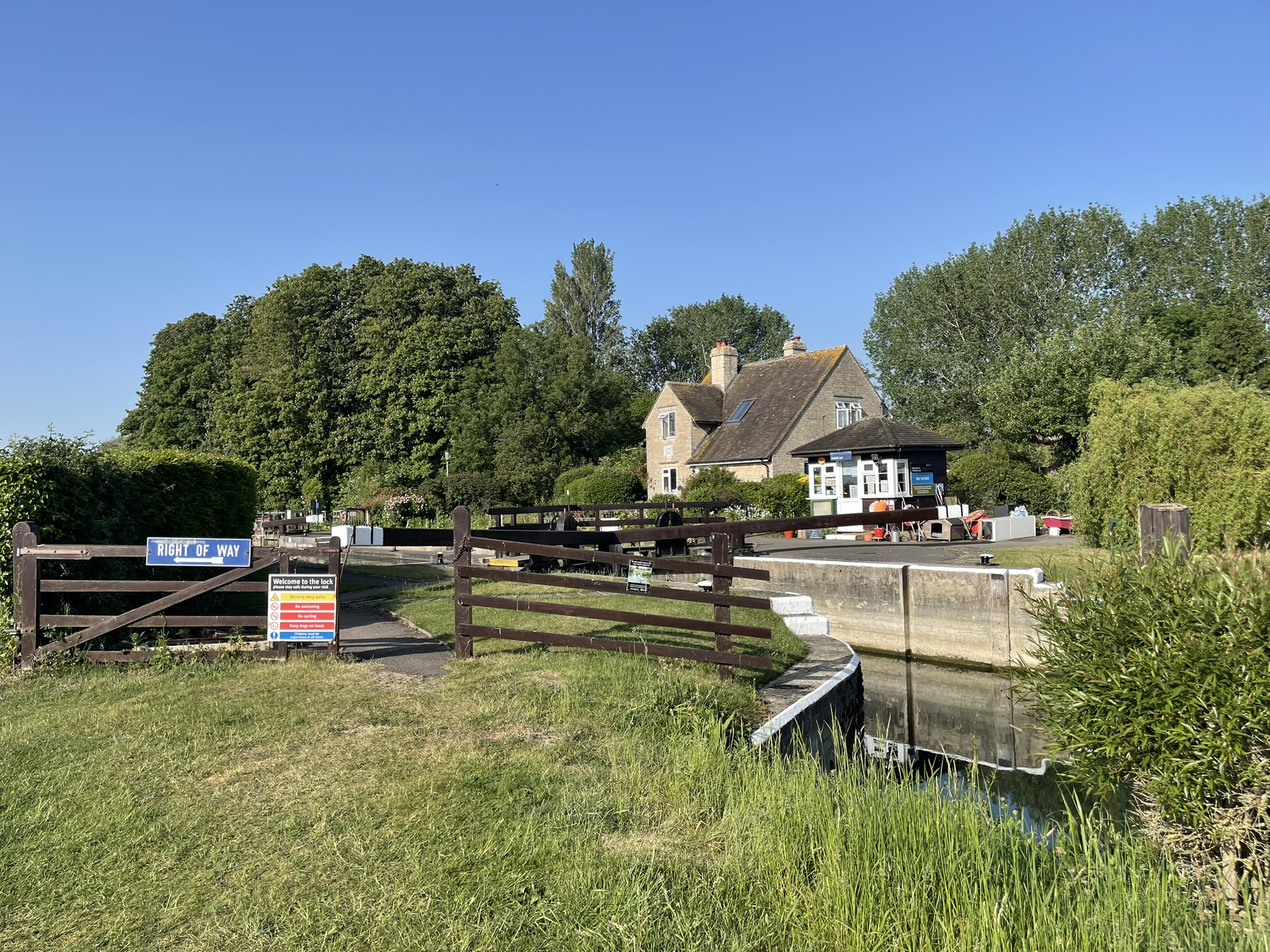
The first stretch from Swinford is open farmland, the river winding ahead, and sheep in the fields still cool in the early morning shade. A boatyard breaks the path away from the river for a while before arriving at Pinkhill Lock, which made a natural first rest stop. The manual beam pound lock at Pinkhill was built in 1791, and it looks today much as it did in the 18th century, when merchants’ barges were a common sight travelling to and from London. Three wetland nature reserves – Buckthorn Meadow, Pinkhill Meadow, and Shrike Meadow — were created adjacent to the lock, supporting diverse wildlife including grass snakes, barn owls, kestrels, buzzards, red kites, and otters. It’s a peaceful spot, and a good place to stop before the path cuts across to the northern bank.
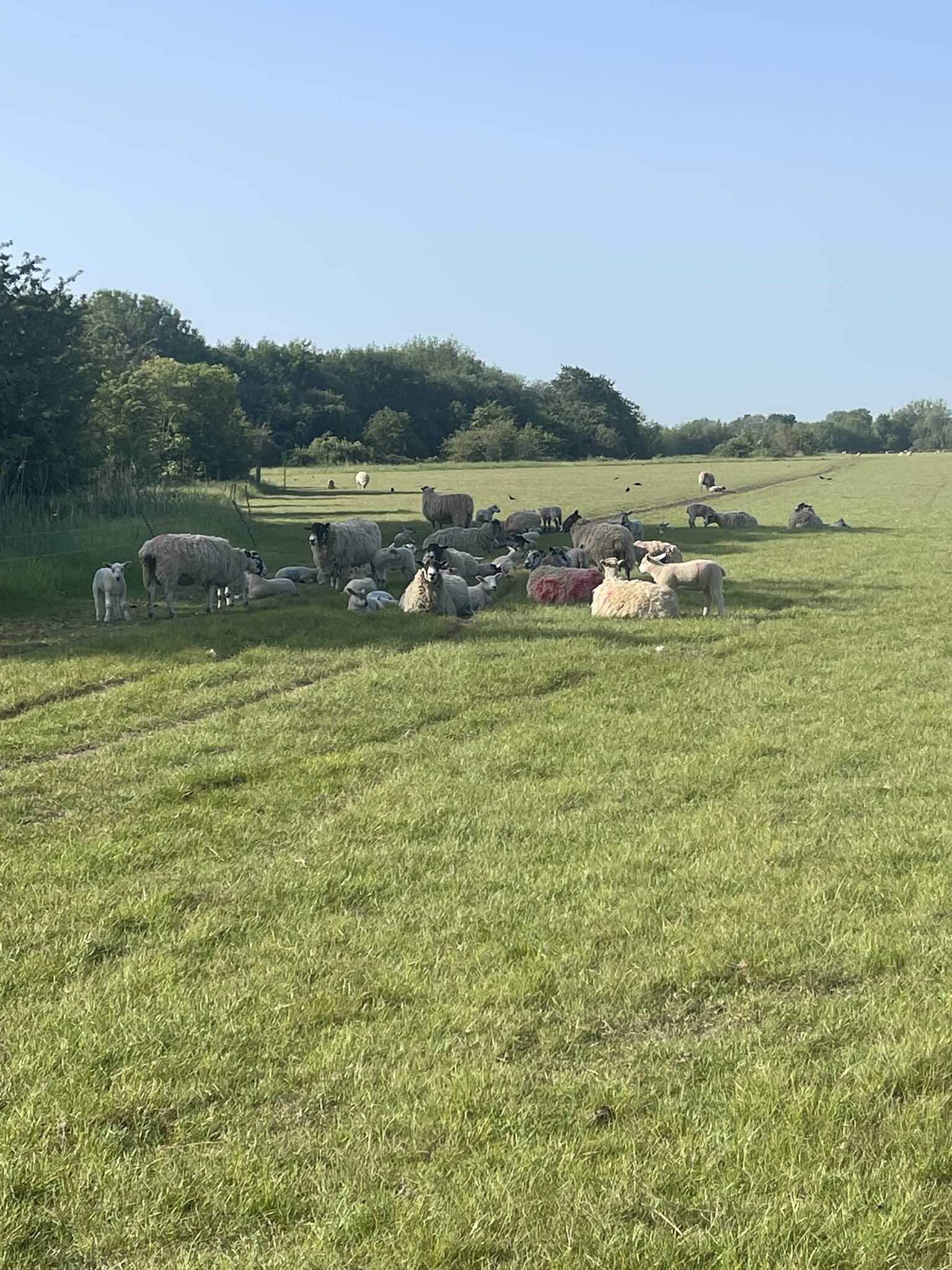
Our route next took us through a sheep farm. Most of the flock were clustered by the gate, scrambling for any available shade, so we had to wait for them to clear the way. Eventually, they shifted – though they certainly weren’t in any rush.The path then led us to the small hamlet of Bablock Hythe. The earliest reference to a ferry at Bablock Hythe is from 1279, with crossings continuing until the late 20th century. The Romans are believed to have used this section to ford the river, and the inn here marks one of the most ancient crossing points on the Thames. The poet Matthew Arnold was a regular visitor to this stretch — he wrote about it in his 1853 poem The Scholar Gipsy, describing the ferryman and the meadows.
Thee, at the ferry, Oxford riders blithe,
Returning home on summer nights, have met
Crossing the stripling Thames at Bablock-hithe
Trailing in the cool stream thy fingers wet
As the slow punt swings round.– Matthew Arnold, The Scholar Gipsy
The Ferryman Inn was closed when we arrived, so we rested outside for a while. I got chatting to a couple who, on hearing how far we still had to go in the building heat, very kindly offered us a lift. I wasn’t tempted, we just had to push on and see how things went.
Our next stop was Northmoor Lock. The lock is one of the most recently built locks on the river, constructed in 1896 to replace the ancient Hart’s and Ark flash weirs. By now, the temperature was properly up and the shade was becoming scarce. The stretch between Bablock Hythe and Newbridge is beautiful but exposed – open meadows, very few trees, and what feels like a long way from anywhere. We rested roughly every mile, whenever we found shade. We had plenty of water on us, which weighed down my backpack but Cher balanced this out by being carried on my front.
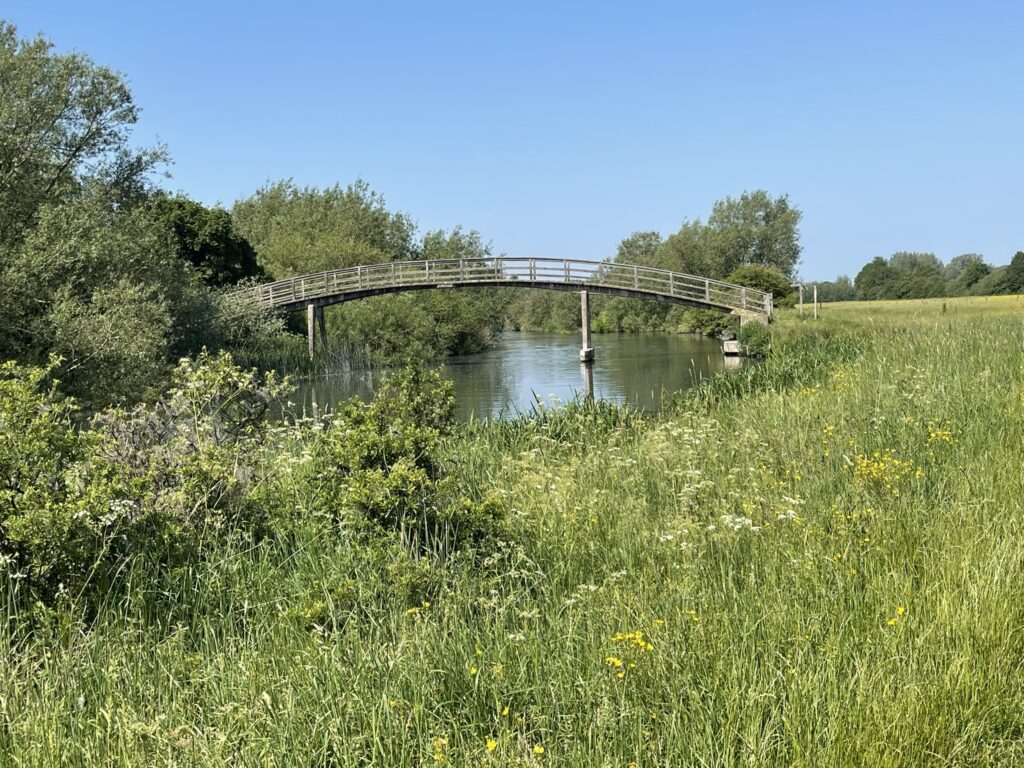
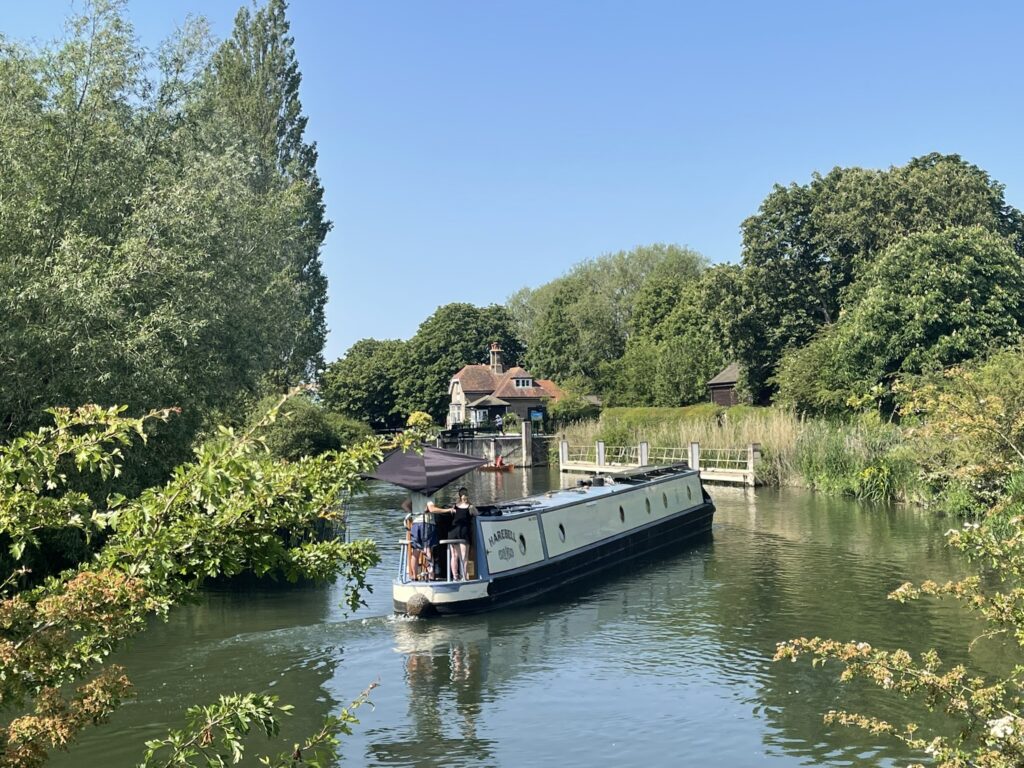
We arrived at Newbridge at about noon, and the temperature had already hit the thirties, so I decided to stop for something to eat and a cider, and think about whether to continue. Newbridge, which is perhaps the most ironically named bridge, dates from the 13th century and is one of the two oldest surviving bridges across the Thames. Built by monks on the orders of King John to improve communications between the wool towns of southern England and the Cotswold farms. It was called “New Bridge” simply because it was the youngest of three bridges built at the time. In 1644, during the English Civil War, the Battle of Newbridge was fought on its banks, when Roundhead commander William Waller attempted to cross and surround Oxford to capture King Charles I, but was defeated.
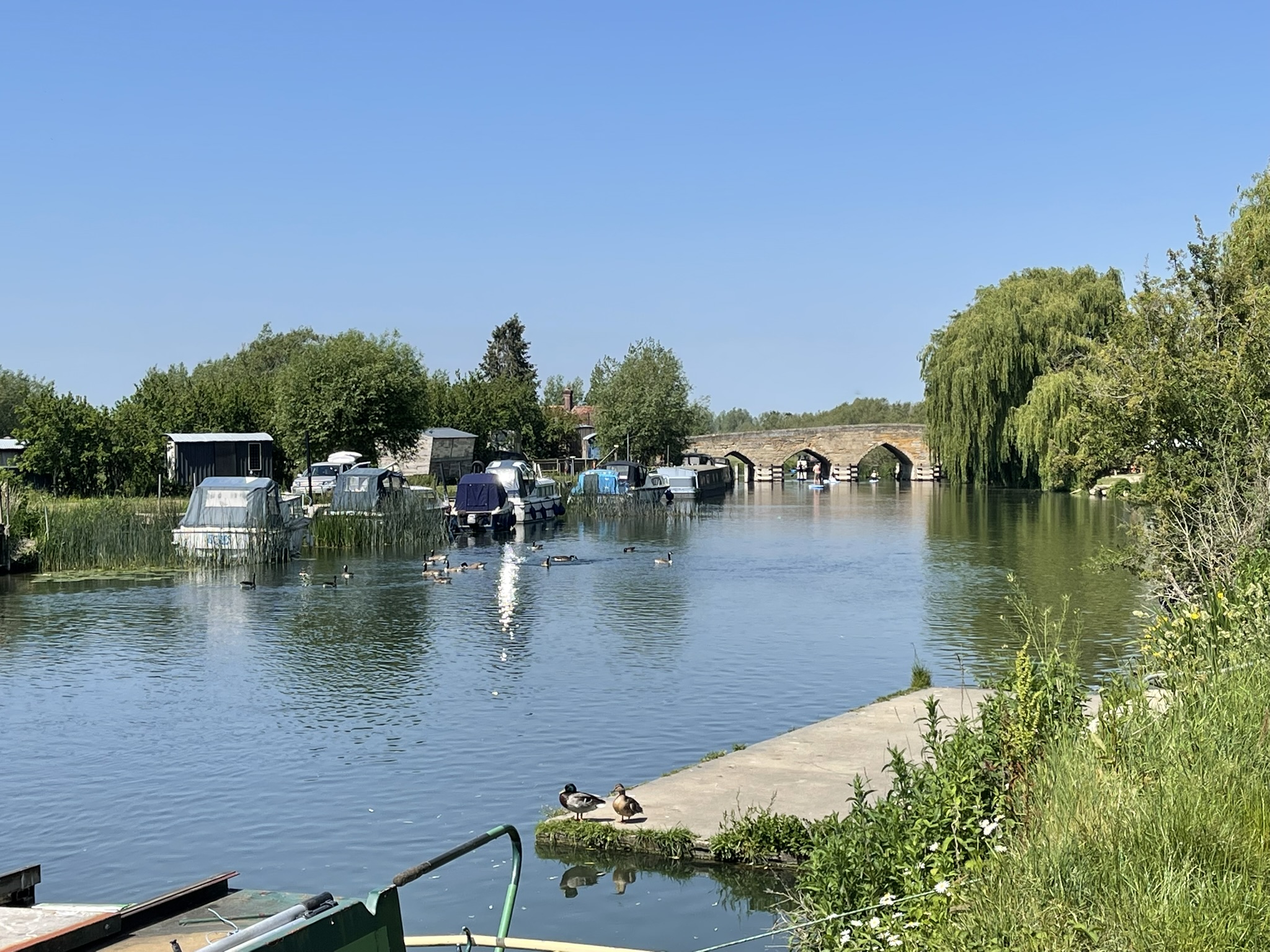
The Rose Revived sits right on the north bank, and has its own good story. Legend has it that Oliver Cromwell stopped here during his campaigns, ordered an extra tankard of ale, and placed a drooping rose into it — the rose revived, and the pub gained its name. A young Raymond Blanc also started his career here in the 1970s, and married the owner’s daughter. I picked up another stamp for my Walk the Thames passport, ordered scampi and chips and had a cider. I studied the map. We still had six miles still to go. Looking at he satellite overlay of the map, there didn’t seem to be many trees to provide shade, and no easy ‘escape route’ to a village if we got overwhelmed, it was all fields. The heat was intense even in the shade of the pub garden. I weighed it up. The sensible decision presented itself clearly: get a cab to Tadpole Bridge, and do that section another day.
I ordered a cab but it wouldn’t arrive until 2:30. Which only meant one thing – another pint, got to stay hydrated!
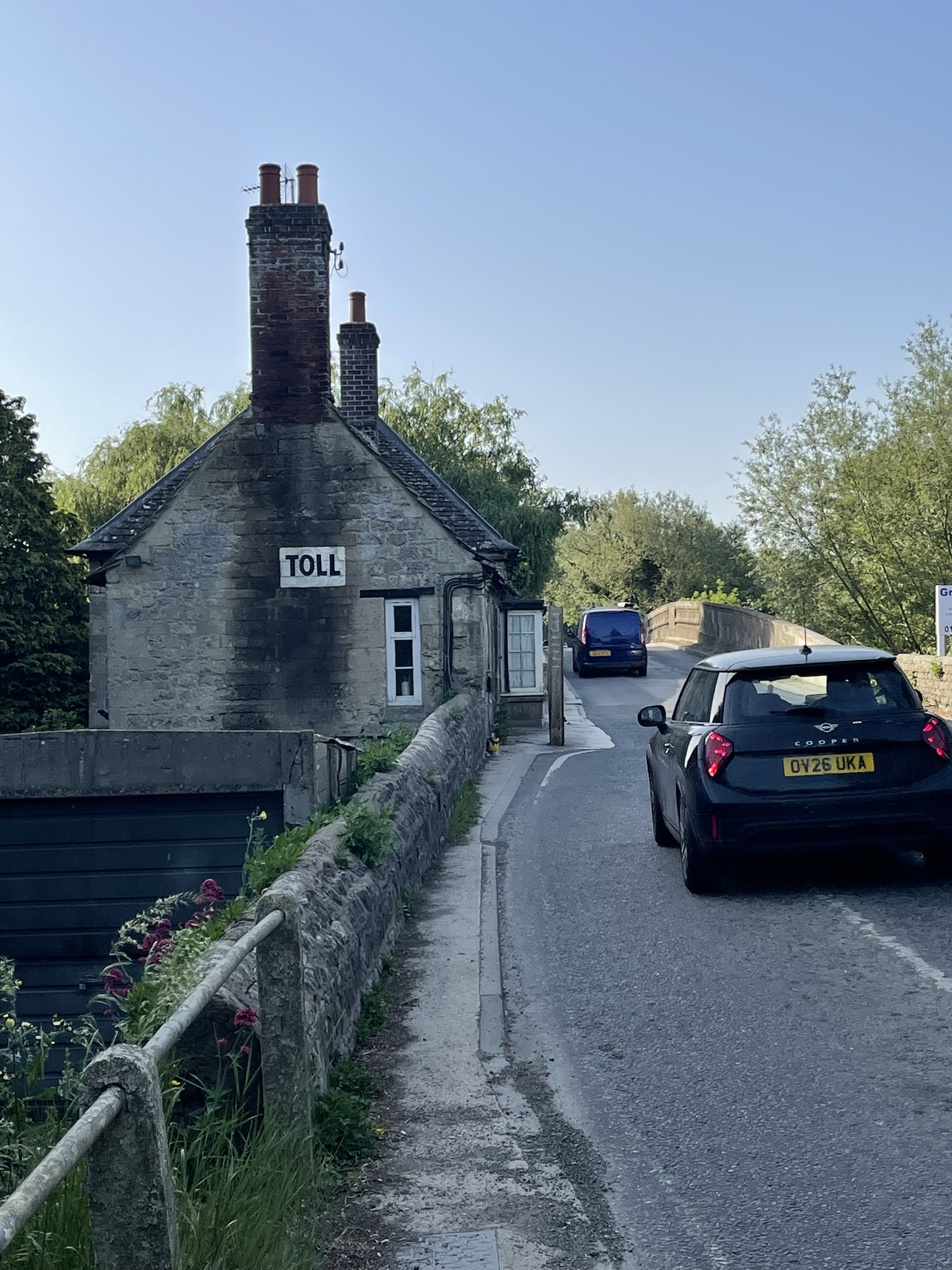
The cab picked us up on time and drop us at our accommodation for the night – The Trout at Tadpole Bridge. This 17th-century pub, was originally a toll house for the single-lane bridge alongside, which became a pub in the late 19th century. Historically, the inn was apparently run at one point by someone with the surname Herring, at one time the sign above the door read: “The Trout, kept by A. Herring.” The setting is straight out of Wind in the Willows, and the garden runs down to the banks of the Thames.
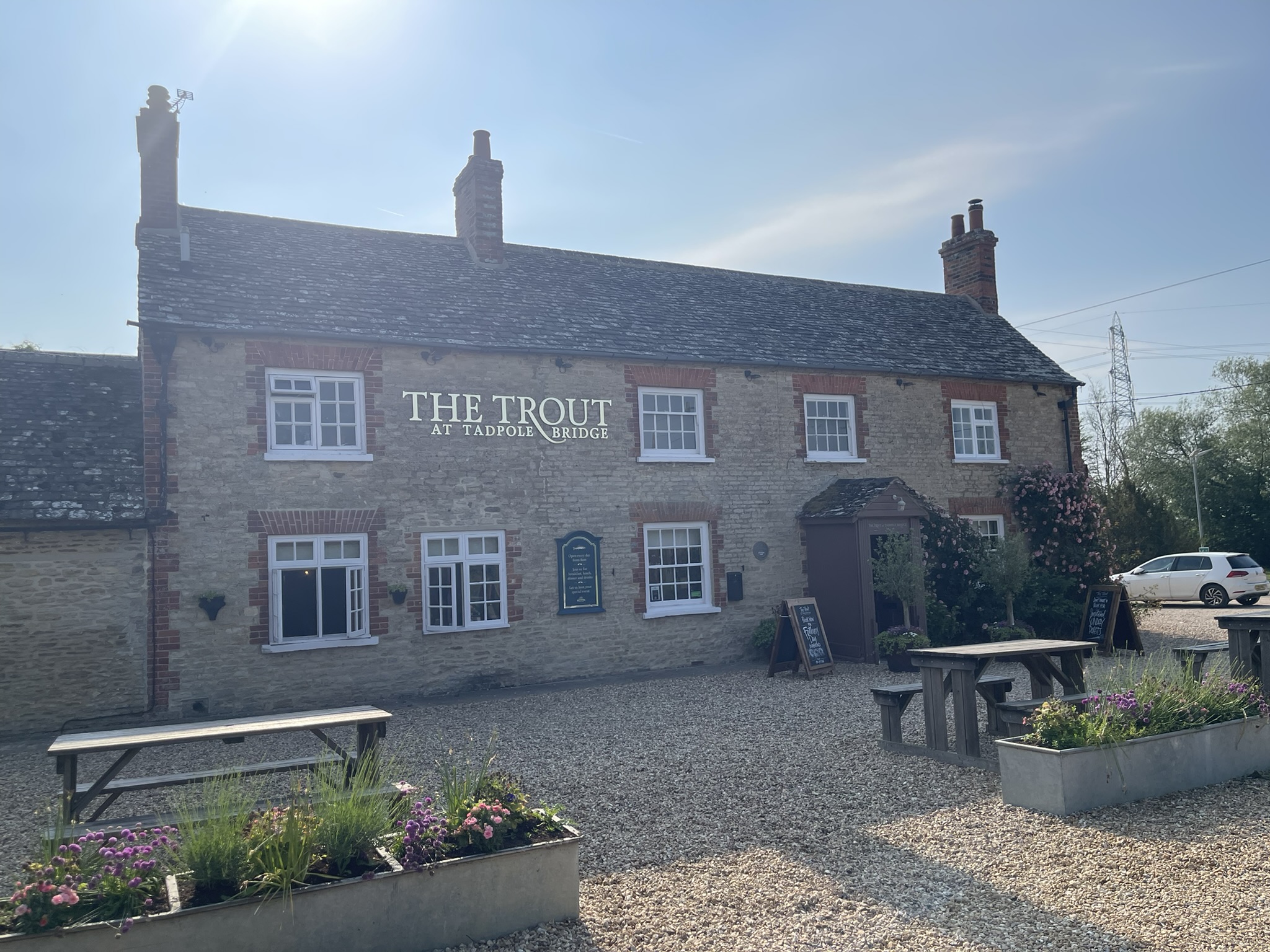
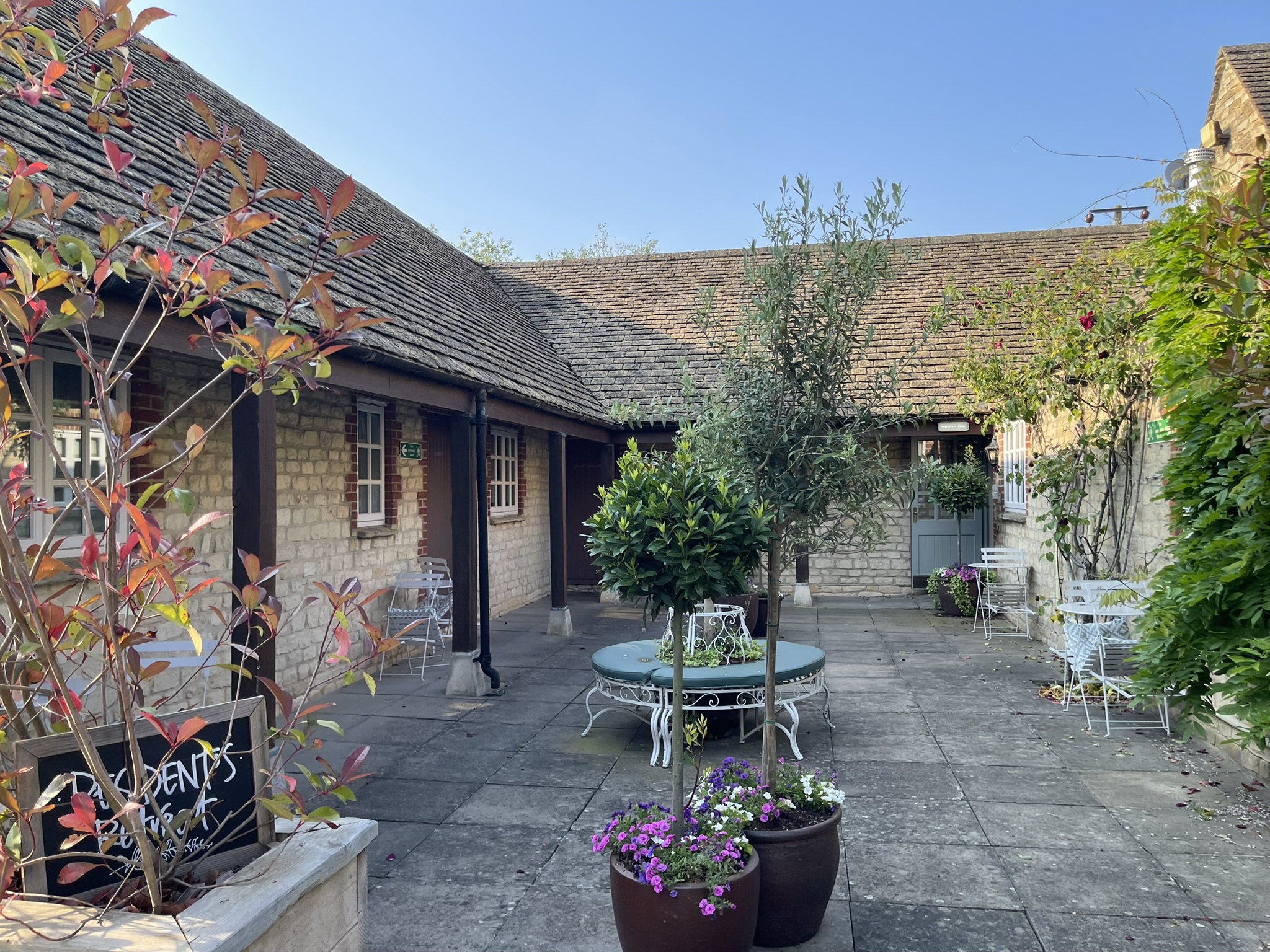
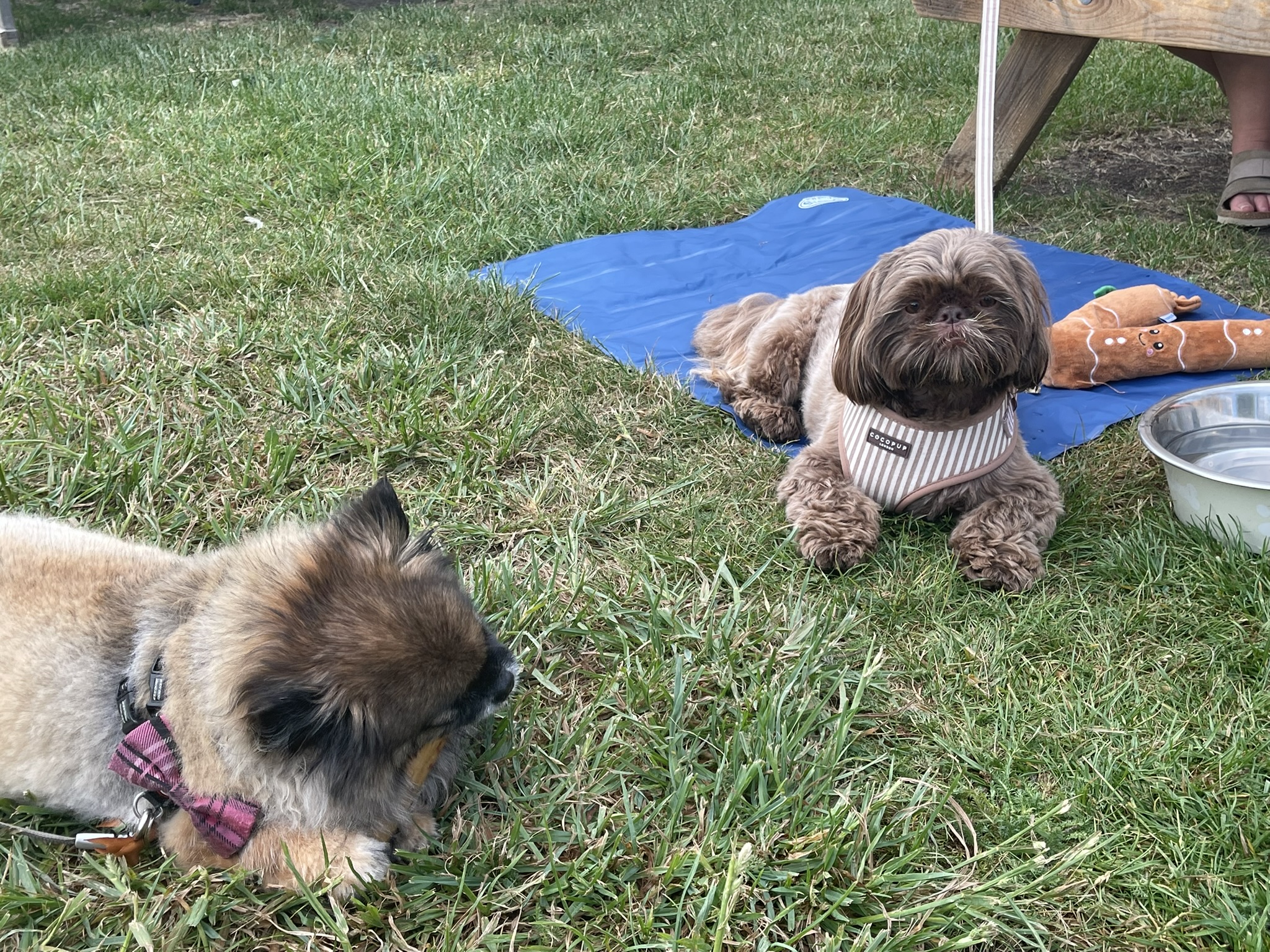
The room was lovely, and at £200 a night is one of my most expensive stays along the path. Because of Cher we had a courtyard room, and it had all the amenities that were needed, including a dog bed and dog bowls. The courtyard was quiet and comfortable and I enjoyed yet another cider in the beer garden. Cher made friends with another dog, who was minding his own business with a chew, until Cher stole it, chewed it, and growled at anyone who suggested she give it back. The owners were very kind and let her have it, she wasn’t in any way going to give it back
I had a very good fish and chips for dinner and an early night. There were no arguments from either of us.